We may earn a commission when you book through links on this page, at no extra cost to you. Learn more.
The most useful Slovakia travel tip is to sort your arrival before you land: a pre-booked transfer with Kiwitaxi, a working data connection and a plan for your bags. Slovakia is easy, safe and good value, but a few local details save time and money.
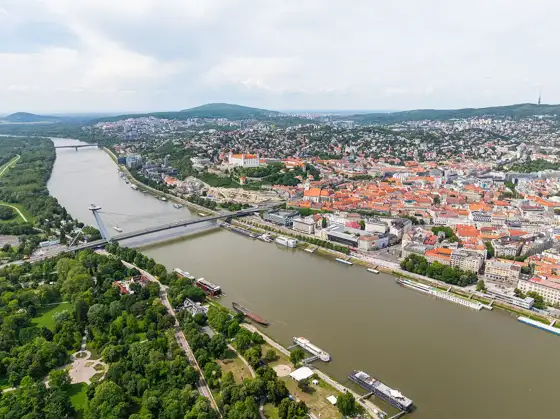
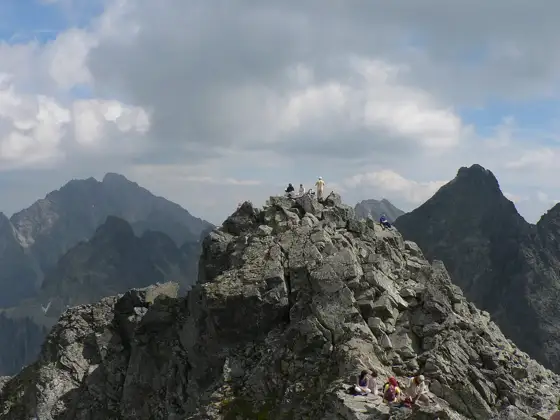
The country uses the euro, is in the Schengen area and has good train links with Vienna, Budapest and Prague. Bratislava is small enough to walk, and the High Tatras are about four hours away by car or train.
This guide covers money, transport, language, connectivity, and how to book the essentials.
Top picks at a glance
Key takeaways
- Slovakia uses the euro and is part of the Schengen area.
- Pre-book your airport transfer to avoid taxi hassle after a long flight.
- English is widely understood in Bratislava and tourist areas, less so in villages.
- Mountain weather changes fast, so pack layers and check forecasts.
- Trains and buses are cheap, but timetables are thinner on weekends.
Best things to book before you go, ranked
-
Our top pick1
Airport transfer with Kiwitaxi
Best overallBest for: Arriving after a long flight
Kiwitaxi offers private transfers between cities and airports, including routes from Vienna and Budapest to Bratislava. A pre-booked driver removes stress after a flight.
Book a transfer on Kiwitaxi- Fixed price on booking
- Door to door
- Useful for late arrivals
- Costs more than a train
- Check pick-up instructions
-
2
Travel eSIM with Airalo
Best for staying connectedBest for: Non-EU visitors
Airalo sells eSIM data plans you can install before you travel. It is most useful for visitors from outside the EU who do not want high roaming fees.
Get an Airalo eSIM- Install before arrival
- Fixed price
- Data only on most plans
- Phone must support eSIM
-
3
Travel insurance with EKTA
Best for peace of mindBest for: Hikers and non-EU visitors
EKTA offers travel insurance quotes online. Medical cover is worth having, especially if you hike or ski.
Get a quote from EKTA- Quick quote
- Medical cover options
- Check sport exclusions
- Underwritten by an insurer licensed outside the EU (Union of Comoros); read the policy wording
-
4
Luggage storage with Radical Storage
Best for check-out daysBest for: Day trips and late departures
Radical Storage lets you book a secure place to leave bags in Bratislava, useful between check-out and a late train or flight.
Find storage on Radical Storage- Free your hands for sightseeing
- Book online
- Extra cost
- Limited to city locations
Money and payments
Slovakia uses the euro. Cards are accepted in most hotels, restaurants and shops in Bratislava, but carry some cash for small villages, mountain huts and market stalls. ATMs are widely available. A tip of around 10 percent is common in restaurants if service was good. For more detail see Slovakia travel cost.
Getting around
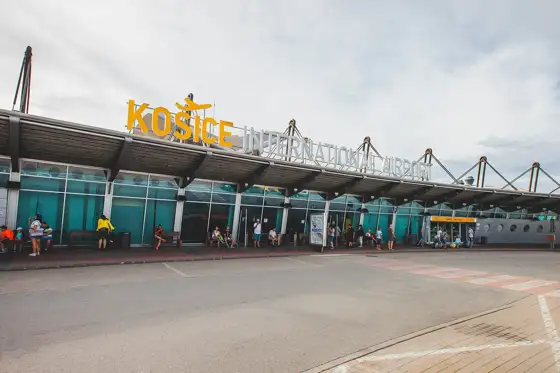
Trains connect Bratislava with Vienna, Budapest, Prague and east towards Poprad and Košice. Buses fill gaps. For the mountains, plan connections in advance. If you want flexibility, consider renting a car and read driving in Slovakia first.
Language and culture
The language is Slovak. Learn a few words: dobrý deň (good day), ďakujem (thank you) and prosím (please). English is common among younger people in cities. Locals appreciate a greeting in Slovak.
Weather and what to pack
Summers are warm and winters are cold, especially in the mountains. Pack layers, waterproofs and sturdy shoes if you plan to hike. See the best time to visit Slovakia for seasons.
Staying connected and safe
Non-EU visitors may want an eSIM for Slovakia. EU visitors can usually use their home plan. For safety, read is Slovakia safe and consider travel insurance. The emergency number is 112.
Eating and drinking
Try traditional dishes such as bryndzové halušky (potato dumplings with sheep cheese) and local beers and wines. Many restaurants offer a daily lunch menu that is cheaper than the regular menu.
Opening hours and etiquette
Opening hours vary by shop. Many smaller shops close early on Saturday and some close on Sunday, while larger supermarkets and shopping centres are often open. Most shops close on certain public holidays, including Christmas Eve afternoon, Christmas Day, Good Friday and Easter Sunday, so plan ahead if you arrive around Christmas or Easter. Greet staff when entering small shops and restaurants, and remove your shoes if invited into a private home. Smoking is restricted in indoor public places, and tap water is safe to drink.
Book popular restaurants and mountain accommodation ahead in summer, in December and during the ski season. Keep your passport or ID with you, since police or border officers may ask for it, and keep digital copies of your important documents.
Frequently asked questions
What currency does Slovakia use?
The euro. Cards are widely accepted, but carry some cash for small places.
Do I need a visa for Slovakia?
Slovakia is in the Schengen area. Many nationalities can visit short-term without a visa, but rules depend on your passport, so check official sources.
Is English spoken in Slovakia?
Widely in Bratislava and tourist areas, less so in small villages.
How many days do I need in Slovakia?
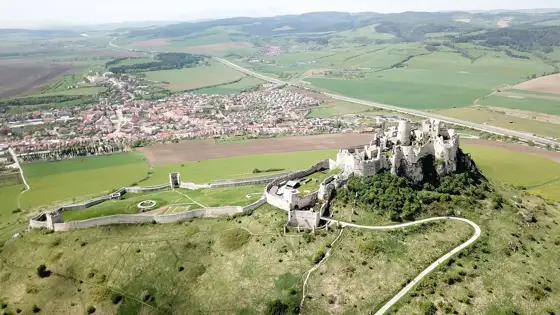
Two or three days cover Bratislava. A week lets you add the High Tatras and a castle or two.
Is tap water safe to drink in Slovakia?
Yes, tap water is generally safe to drink.
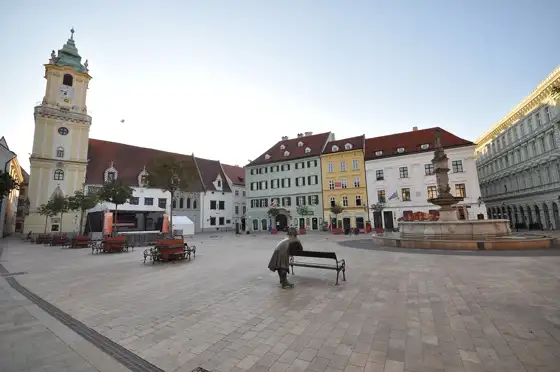
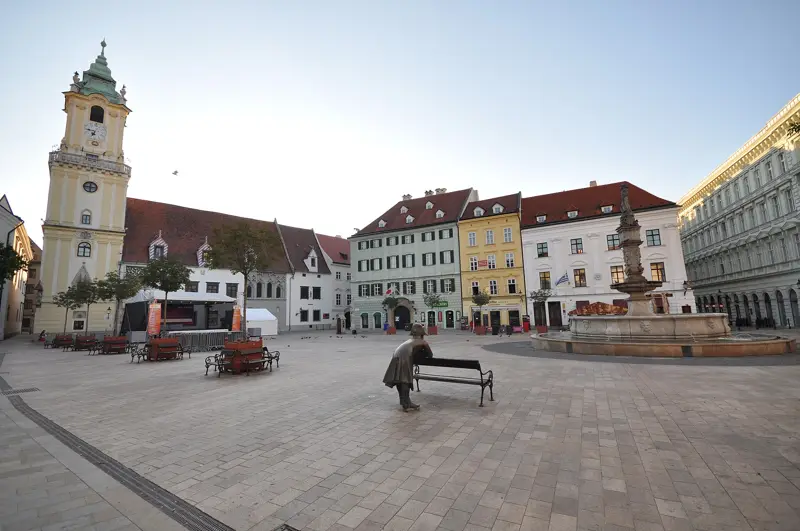
Photo: Main Square (Bratislava) · https://www.flickr.com/photos/jlascar/ · CC BY 2.0