We may earn a commission when you book through links on this page, at no extra cost to you. Read our affiliate disclosure.
- Currency
- euro (EUR)
- Cards
- widely accepted in towns
- Cash
- useful in mountains and small shops
- Tipping
- round up, see tipping guide
Slovakia uses the euro, cards are widely accepted in cities, and the best everyday plan is a contactless card plus a small amount of cash. A mobile data eSIM such as Airalo is our first pick here because it keeps your banking app, card alerts and text-message codes working abroad. Prices and bank fees change, so check your own bank's foreign-use charges before you go.
This guide covers cash versus card, ATMs, exchange rates, tipping and where cash is still useful, especially in the High Tatras.
Top picks at a glance
Key takeaways
- The currency is the euro, in use in Slovakia since 2009.
- Contactless cards work in most shops, cafes and restaurants in towns.
- Carry a little cash for small places, huts and public toilets.
- If a terminal offers to charge you in your home currency, choose euros.
- Tell your bank you will travel, and keep two cards.
Best ways to manage money in Slovakia, ranked
-
Our top pick1
Travel eSIM with Airalo
Best for banking accessBest for: Travellers who bank on their phone
Mobile banking apps, card approval prompts and SMS verification codes need data or signal. Airalo sells data eSIMs covering Slovakia, so you can avoid roaming surprises. Check coverage and your phone's eSIM support first.
Get an Airalo eSIM Read our Airalo review- Banking app works on arrival
- No physical SIM
- Phone must support eSIM
-
2
Travel insurance with EKTA
Best protectionBest for: Anyone with high medical costs at home or abroad
Insurance can cover medical costs that would otherwise hit your wallet. EKTA offers quotes online. Read what is and is not covered, including lost items, before buying.
Get a quote from EKTA Read our EKTA review- Cover for big costs
- Online quote
- Policies differ, read terms
-
3
Fixed-price transfer with Kiwitaxi
Best for avoiding cashBest for: Airport arrivals
Kiwitaxi shows a price when you book a private transfer, so you do not need to haggle or hunt for an ATM on arrival. Read the booking terms for what is included.
Book a transfer on Kiwitaxi Read our Kiwitaxi review- Price known in advance
- No cash needed on arrival
- Costs more than a bus
-
4
Contactless card payments
Everyday defaultBest for: Cities and restaurants
Pay by card or phone wherever accepted, and choose euros if asked for the currency.
- Safe and fast
- Good exchange rate usually
- Your bank may add a fee
-
5
Bank ATMs
Cash backupBest for: Small cash needs
Withdraw from an ATM attached to a bank where possible, and decline any currency conversion offered.
- Cash on demand
- Fees from your bank
The euro
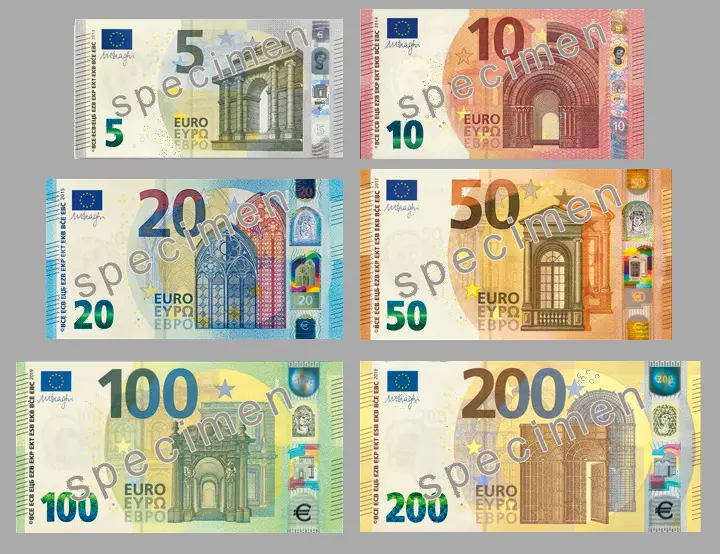
Slovakia adopted the euro on 1 January 2009. Notes and coins are the same as in Austria or Germany, though euro coins carry a national design on one side. If you arrive from Vienna you need no exchange at all. Visitors from Poland, Hungary or Czechia need euros, since those countries have their own currencies and Slovak shops generally do not accept them.
Paying by card
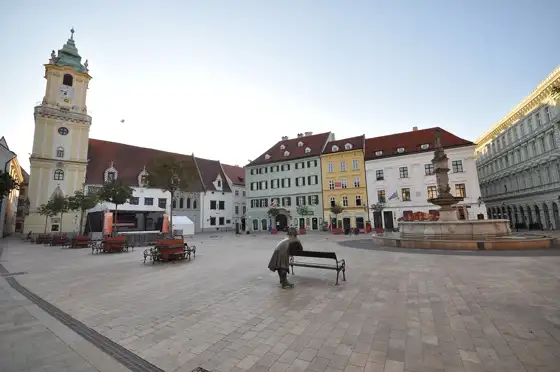
Cards are accepted in most hotels, restaurants, supermarkets, shops and ticket offices in Bratislava, Košice and other towns. Contactless payment by card or phone is common. Visa and Mastercard are the safest bets. Some smaller places set a minimum amount or prefer cash, and the situation can vary, so keep a few notes. Public toilets, some bakeries, market stalls and small kiosks may be cash only.
If a card terminal or ATM asks whether to charge you in euros or your home currency, choose euros. Your own bank usually gives a better rate than the terminal's conversion.
ATMs and withdrawing cash
ATMs are easy to find in towns, usually next to banks, supermarkets and shopping centres. A few practical tips: prefer an ATM attached to a bank branch, avoid stand-alone machines in tourist streets that may charge their own fee, and always decline the conversion offer. We did not verify any bank's fee figures, so ask your bank about foreign withdrawal fees before you leave. Withdraw a moderate amount rather than many small amounts if your bank charges per withdrawal.
When cash still matters
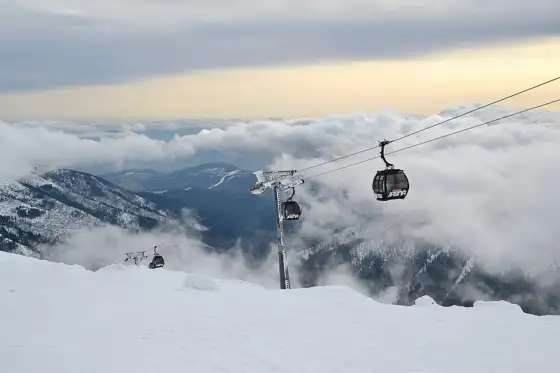
Outside the cities, particularly in mountain areas, cash is more useful. Mountain huts in the High Tatras sometimes accept cash only or have unreliable terminals, and prices on trails can be in cash. Before a hike, see the best hikes in the High Tatras and bring some euros in small notes. The same goes for village guesthouses, small museums and local markets. See Bratislava markets and shopping.
Costs, tipping and avoiding mistakes
For a rough idea of spending, see Slovakia travel cost and is Slovakia expensive. For gratuities, see tipping in Slovakia.
- Tell your bank which countries you will visit.
- Carry two cards, stored separately.
- Keep a small euro reserve for toilets, buses and huts.
- Check a restaurant bill for a service charge before tipping.
- Be careful with currency exchange shops that advertise good rates but add commission. Compare the total you receive, not the headline rate.
- Keep copies of your card numbers and your bank's emergency number somewhere safe.
Frequently asked questions
What currency does Slovakia use?
The euro. Slovakia adopted it on 1 January 2009.
Can I pay by card in Slovakia?
Yes, in most shops, restaurants and hotels in towns. Carry some cash for small places and mountain huts.
Should I exchange money before I go?
Usually not needed if you use a card and an ATM. Compare rates and commission if you must exchange.
Are ATMs easy to find?
Yes in towns. Use machines at banks and decline currency conversion.
Do I need cash in the High Tatras?
It is wise to carry some. Huts and small kiosks may not take cards.
Will foreign cards work?
Visa and Mastercard are generally accepted. Check with your bank before you travel.
Photo: Euro · PawełMM · CC BY-SA 3.0