We may earn a commission when you book through links on this page, at no extra cost to you. Read our affiliate disclosure.
Diesen Reiseführer auf Deutsch lesen
Przeczytaj ten przewodnik po polsku
Přečtěte si tohoto průvodce česky
Olvassa el ezt az útmutatót magyarul
The best way to see several Slovak castles in one trip is a rental car, and GetRentacar is one place to compare offers, though QEEQ and Auto Europe are safer first searches. Slovakia has a high number of castles and ruins for its size, and many of them stand in places that trains and buses reach only slowly.
Spiš Castle is usually named first because of its size and its UNESCO listing, but Bojnice, Orava and the castles around Bratislava are strong rivals. This guide ranks the most worthwhile ones and explains how to link them into routes. To put the castles in the shortest order, try the Slovakia road trip planner.
Opening hours change by season, so always check the official site of each castle before you go.
Top picks at a glance
Key takeaways
- Spiš Castle is one of the largest and best known, with UNESCO status.
- Bojnice is the most fairytale castle and the easiest to visit with a guide.
- Bratislava and Devín castles are easy to see without leaving the capital.
- A car is the best tool for linking castles outside the big cities.
Best ways to see castles in Slovakia, ranked
Ranked by how well each option fits this trip: convenience, cost and who it suits. Some options are affiliate partners. How we rank
-
Our top pick1
Rental car with GetRentacar
Best overallBest for: Castle hopping across regions
Most of the best castles sit outside big cities, so a rental car is the practical choice for seeing more than two or three. GetRentacar is a marketplace of local owners with mixed public reviews, and Slovakia coverage was not clearly shown, so check availability for Bratislava or Košice. Compare the deposit and insurance before you pay.
Rent on GetRentacar Read our GetRentacar review- Link castles in one route
- Stop at villages on the way
- Cost drops when shared
- Rental and fuel costs
- Parking in busy places
-
2
Private transfer with Kiwitaxi
Best without drivingBest for: Short trips and groups
Kiwitaxi offers private transfers between cities, which works for one or two castles in a day if you prefer a driver. Check current prices for your route and ask whether waiting time is allowed.
Book a transfer on Kiwitaxi Read our Kiwitaxi review- No driving
- Fixed price in advance
- Adds up for multiple castles
-
3
Tickets and tours with Klook
Best for guided visitsBest for: Visitors based in Bratislava
Klook lists tours and activities across Europe. Look for guided trips to Devín, Bratislava or central Slovakia, and check which castles are included.
See tours on Klook Read our Klook review- Context from a guide
- No planning
- Availability varies
- Limited time at each site
-
4
Regional trains (ZSSK)
CheapestBest for: Budget travellers
Some castles sit close to rail stations, for example Trenčín and Strečno. Trains are cheap and scenic, and they work well if you build your route around the line.
Official website- Low fares
- Scenic rides
- Slow connections
- Many castles are far from stations
The top castles to visit
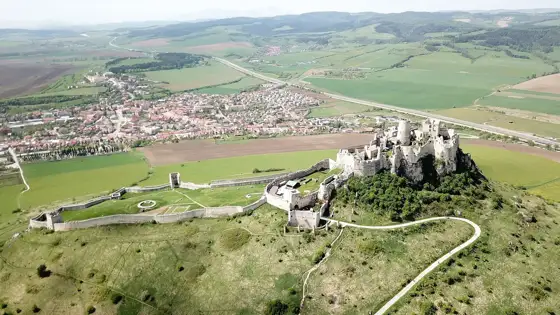
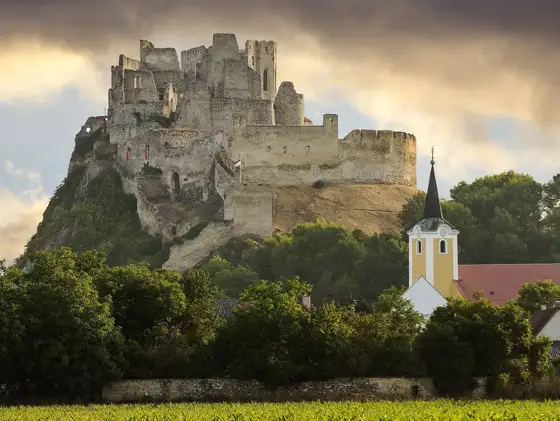
- Spiš Castle: a vast UNESCO listed ruin in the east, see Spiš Castle.
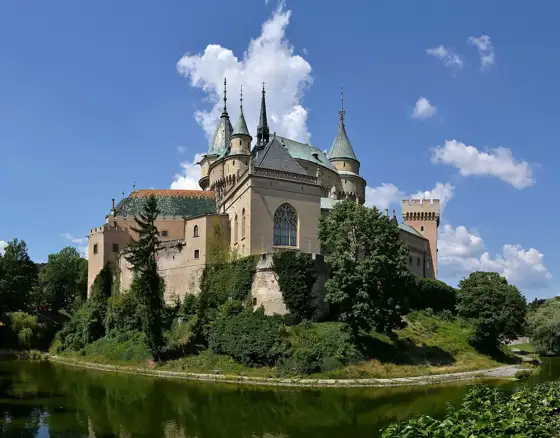
- Bojnice Castle: a romantic castle with a guided interior and a park, see Bojnice Castle.
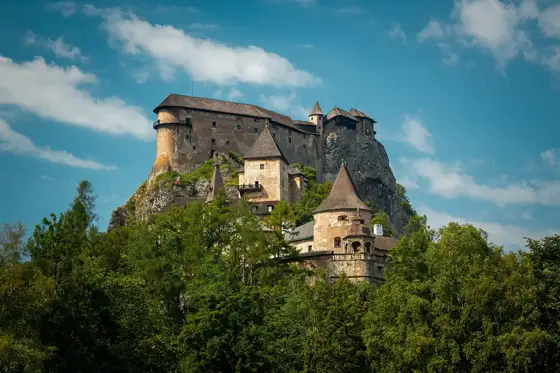
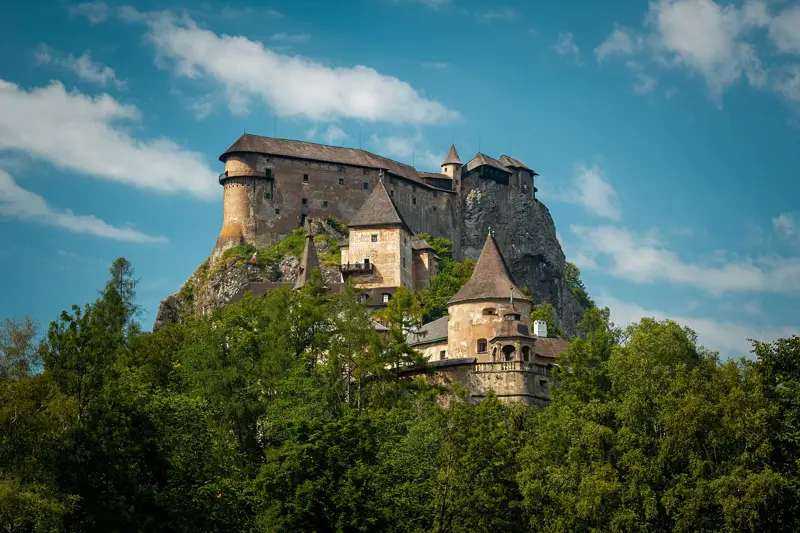
- Orava Castle: a dramatic castle on a high rock in the north, often used as a film set, see Orava Castle.
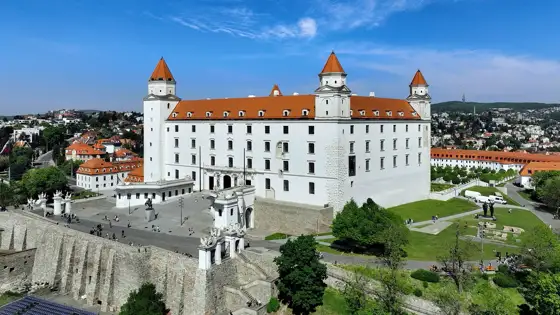
- Bratislava Castle: the white landmark above the Danube, see Bratislava Castle.
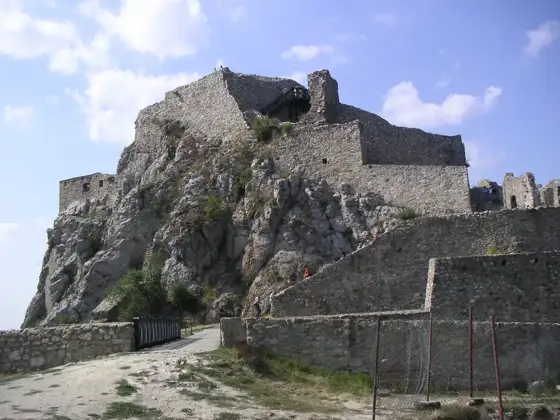
- Devín Castle: a ruin at the meeting of the Danube and Morava rivers, see Devín Castle.
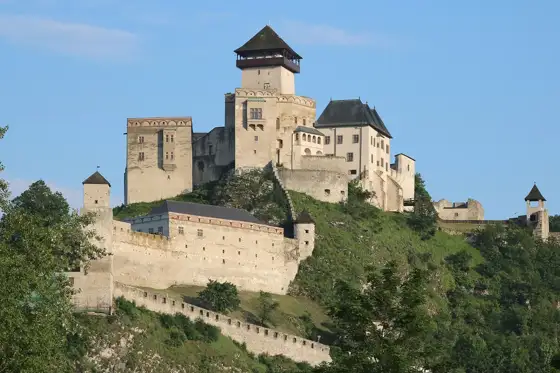
- Trenčín Castle: a large hilltop castle in the west with views over the town, see Trenčín.
- Červený Kameň: a well preserved castle in the Little Carpathians near Bratislava, see Červený Kameň.
- Krásna Hôrka: a small, scenic castle in the east, known for its hilltop position.
Castles close to Bratislava
If you only have a short stay, Bratislava Castle and Devín Castle can both be reached by city transport, and Červený Kameň is a short drive away. Trenčín is roughly 1 to 1.5 hours by train or car. See Bratislava for more on the capital itself. In the same western region, the ruin of Čachtice pairs well with a Trenčín stop.
Castles in the north and east
The north has Orava Castle and Strečno (see Strečno Castle), which stands on a rock above the Váh river. The east has Spiš, Krásna Hôrka and the castle ruins of the Slovak Karst. A route that includes the High Tatras and Košice can include several of them.
Castle towns worth a stop
Some of the most rewarding castle visits come with a historic town attached, which makes them easier to fit into a day without a car.
- Kežmarok: a compact town in the Spiš region with its own castle and old centre, covered in Kežmarok. It is a natural pairing with the Tatras.
- Kremnica: a medieval mining and mint town with a fortified castle complex above the square, see Kremnica.
- Trnava: not a castle destination as such, but a walled old town close to Bratislava, see Trnava.
- Prešov: a large old town in the east that works well with Košice, see Prešov.
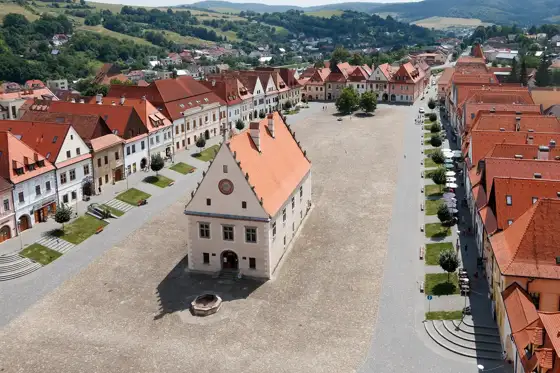
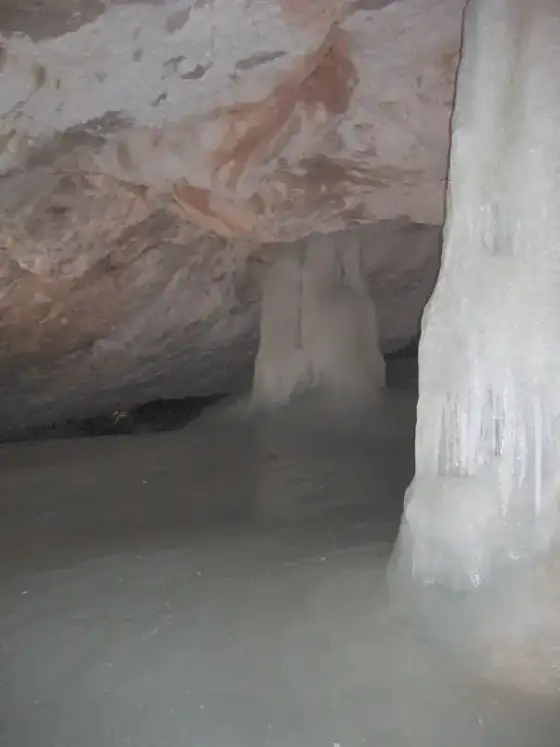
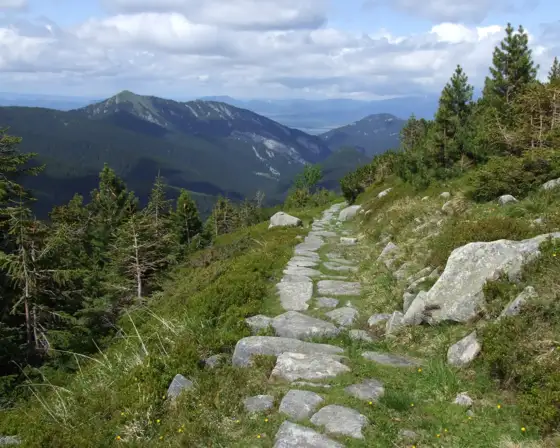
For a wider view of heritage sites, the UNESCO sites in Slovakia page shows where castles overlap with listed landscapes. Castles are one of the things Slovakia is famous for, along with its mountains and caves.
Which castle suits which traveller
| You want | Choose | Why |
|---|---|---|
| Fairytale looks and an interior tour | Bojnice | Furnished rooms, a park and a town that is easy to reach |
| Ruins with space to roam | Spiš Castle | One of the largest castle sites in Central Europe, with wide views |
| A short city visit | Bratislava or Devín | Both are reachable by city transport |
| Drama and photography | Orava | Built on a steep rock above the river |
| A half day from Bratislava | Červený Kameň | Close to the capital, interior visited on tour |
If you are short on time, pick one interior castle (Bojnice) and one ruin (Spiš or Devín) rather than trying to see all eight. More options near the capital are listed in castles near Bratislava.
Families, accessibility and seasons
Castles on hills involve steep paths and stairs, and ruins have uneven ground, so they are hard with pushchairs or reduced mobility. Interior castles such as Bojnice are easier to follow, but still have stairs, so ask the site about accessible routes before you go.
Children usually enjoy the larger ruins for the space to explore and the towers with views, but keep a close eye near unfenced edges. Spring and autumn are comfortable for walking up to hilltop sites, while summer is busy at the best known ones. In winter, many interiors are closed or open on reduced schedules, though ruins can often still be walked. Some castles run festivals and costume events through the year, so check the official calendar if you want one.
Planning a castle route
Pick a region and keep driving days short. A good example is Bratislava, Trenčín, Bojnice, Orava and the High Tatras, which can be done in four to five days with a car. Add Spiš and Košice if you have a week or more, see the 7 day itinerary and the road trip guide.
If you rent, compare options in car rental in Slovakia first.
Tips for visiting castles
- Check opening times, since many castles close on Mondays or in winter.
- Wear shoes with grip, since ruins have uneven ground.
- Interior tours may be guided only, so ask about English tours.
- Buy tickets at the gate or check the official castle site.
- Some festivals bring crowds, so go on a weekday for quiet.
A short history of Slovak castles
Most Slovak castles date from the Middle Ages, when the area was part of the Kingdom of Hungary. They were built as border forts, royal residences and noble seats, and many were rebuilt or destroyed during wars with the Ottomans and during later uprisings. In the 18th and 19th centuries, a number of ruined castles were abandoned, while others were rebuilt as romantic residences, which is why Bojnice looks so different from Spiš.
Today the castles range from fully restored museums to open air ruins that you can walk through for a small fee or even for free. Reading a little of the history before you go makes the visits more interesting, and most museums offer an English leaflet or audio guide, though this varies by site.
Sample one day and two day plans
One day from Bratislava: start at Bratislava Castle in the morning, have lunch in the old town, then take city transport out to Devín for the afternoon. This needs no car and suits a short stay.
One day with a car: combine Červený Kameň with a walk in the Little Carpathians, then return to the capital by evening. Book the interior tour in advance if it is a weekend.
Two days in the centre and north: Trenčín first, then Bojnice, and a night near Žilina. The next morning, continue to Strečno and Orava. This is a long but rewarding loop that links well with the High Tatras.
Two days in the east: Spiš Castle in the morning, Spišská Kapitula and Levoča after lunch, and Krásna Hôrka the next day on the way to Košice. Check opening days first, because some castle interiors close one weekday.
Frequently asked questions
What is the best castle in Slovakia?
Spiš Castle is among the largest and has UNESCO status, while Bojnice is usually the most popular for its fairytale look.
How many castles are there in Slovakia?
There are well over a hundred castles, ruins and manor houses, though only a fraction are open to visitors.
Which castles can you visit from Bratislava?
Bratislava Castle and Devín Castle are in the city, and Červený Kameň and Trenčín are easy trips by car or train.
Can you visit Slovak castles without a car?
Some, such as Bratislava, Devín and Trenčín, yes. Many others are easier with a car or a tour.
Are Slovak castles open in winter?
Some are, but many reduce their hours or close for the season. Check each official site before travelling.
Which Slovak castle is best for children?
Bojnice is the usual family choice because of its interior tours and park. Large ruins such as Spiš Castle also suit active children, with paths and towers to explore.
Photo: Orava Castle · Lynx1211 · CC BY-SA 4.0