We may earn a commission when you book through links on this page, at no extra cost to you. Read our affiliate disclosure.
- Total sites
- 8 (per Wikipedia list)
- Oldest listings
- 1993
- Newest listing
- 2021, Danube Limes
- Transnational
- 3 of the 8 are shared
Slovakia has eight UNESCO World Heritage Sites, and the most efficient way to see several of them is a rental car, with Auto Europe a good place to compare offers. They cover mining towns, castles, wooden villages and churches, caves, beech forests and Roman frontier remains.
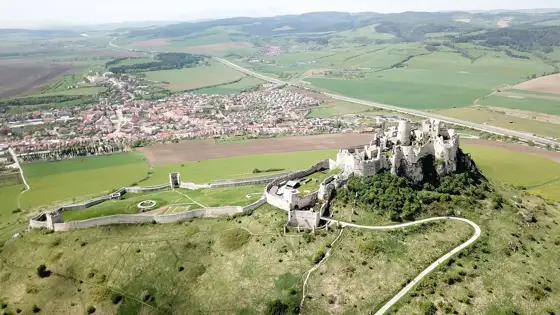
Six are cultural sites and two are natural, and three of the eight are shared with other countries. Two of the most visited, Spiš Castle with Levoča and Banská Štiavnica, are in different corners of the country, so planning order matters.
Below is the full list, then how to link them into routes.
Top picks at a glance
Key takeaways
- Slovakia has eight World Heritage Sites on the Wikipedia list.
- Banská Štiavnica, Levoča with Spiš Castle and Vlkolínec were all listed in 1993.
- Caves, beech forests and the Danube Limes are shared with other countries.
- A car is the most practical way to see more than two.
Best ways to visit Slovakia's UNESCO sites, ranked
-
Our top pick1
Rental car with Auto Europe
Best overallBest for: Multi-site road trips
The sites are spread from the Danube to the eastern border, and a car lets you link several in one trip. Auto Europe is a car hire broker, so compare the deposit, insurance cover and one-way fees for your pickup and drop-off points.
Compare cars on Auto Europe- Link several sites
- Reach villages and forests
- Rental cost
- One-way fees can apply
-
2
Rental car on Economybookings
Comparison optionBest for: Price comparers
Economybookings is another comparison site. Check prices for the same dates across brokers.
Compare cars on Economybookings- Wide choice
- Easy to compare
- Read the terms carefully
-
3
Guided tours with Klook
Best for guided visitsBest for: Visitors who prefer a guide
Klook lists guided tours across Europe, and Spiš and Levoča are common day trip targets. Check what is available for your dates.
See tours on Klook- Context from a guide
- No driving
- Availability varies
- Fixed schedule
-
4
Tickets on Tiqets
Best for ticketsBest for: Planners
Tiqets sells tickets to attractions in many cities. Check whether the site you want is listed, and read the opening hours.
See tickets on Tiqets- Skip queues
- Plan ahead
- Not every site is listed
-
5
Trains and buses (ZSSK)
CheapestBest for: Budget travellers
Banská Štiavnica, Levoča and Bardejov are reachable by public transport, but with changes and time.
Official website- Low fares
- Slow connections
The full list
| Site | Listed | Type |
|---|---|---|
| Historic Town of Banská Štiavnica | 1993 | Cultural |
| Levoča, Spiš Castle and associated monuments | 1993 | Cultural |
| Vlkolínec | 1993 | Cultural |
| Caves of Aggtelek Karst and Slovak Karst (shared with Hungary) | 1995 | Natural |
| Bardejov Town Conservation Reserve | 2000 | Cultural |
| Ancient and Primeval Beech Forests (shared) | 2007 | Natural |
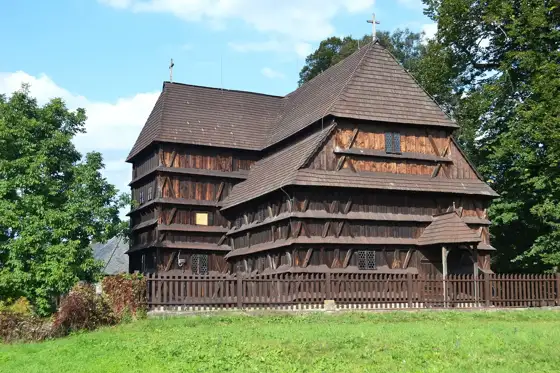
| Wooden Churches of the Slovak part of the Carpathian Mountain Area | 2008 | Cultural |
| Danube Limes, western segment (shared) | 2021 | Cultural |
Source: Wikipedia list of World Heritage Sites in Slovakia. Check UNESCO for any later changes.
Towns and castles
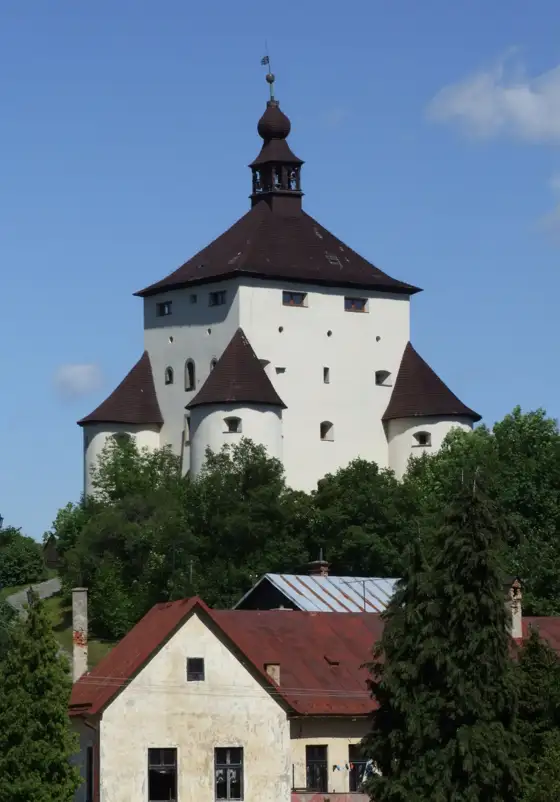
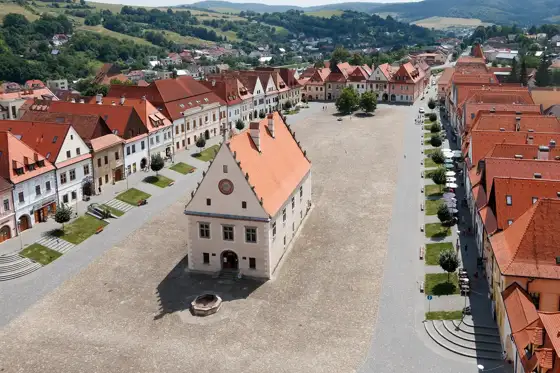
Banská Štiavnica is a historic mining town in central Slovakia. Levoča and Spiš Castle are one listing and are best combined into a single day. Bardejov in the northeast is a walled town centre. If castles are your main interest, see castles in Slovakia.
Villages and churches
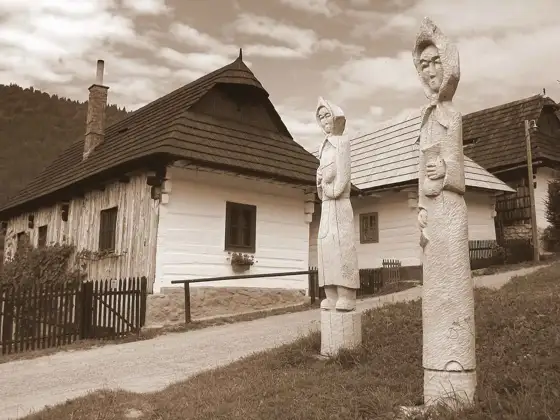
Vlkolínec is the log house village above Ružomberok. The wooden churches are spread over nine buildings in several villages, and they have their own guide at wooden churches of Slovakia.
Natural and shared sites
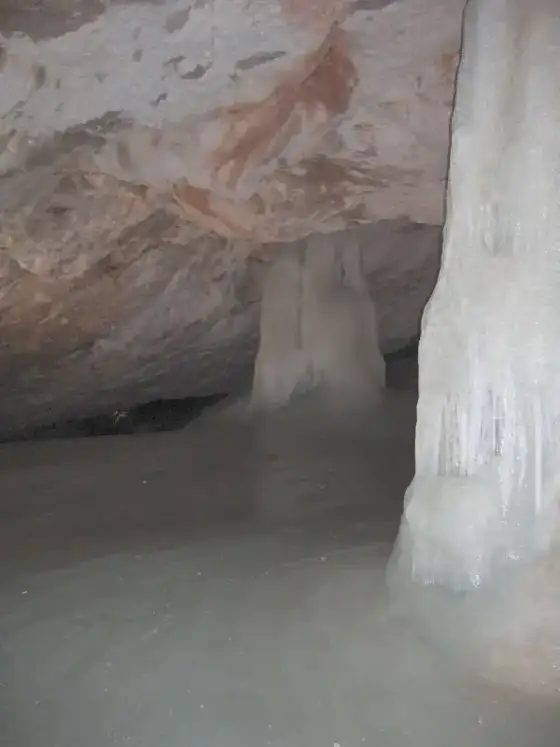
The cave listing covers the Slovak Karst and the Aggtelek Karst in Hungary, and several caves can be visited, see caves in Slovakia. The beech forests are in the far east, part of a wider transnational listing, and are best explored on marked trails with local advice. The Danube Limes is the Roman frontier along the river, with the western segment listed in Slovakia in the Bratislava and Nitra regions. Check the sites' official pages for what you can visit.
Three route ideas
- Central loop: Bratislava, Banská Štiavnica, Vlkolínec, High Tatras.
- East: Poprad or Košice, Levoča, Spiš Castle, Bardejov.
- Short stay: Vlkolínec and a wooden church on a day from Žilina.
See 7 day itinerary and 10 day itinerary for fuller plans.
Tips
- Many sites are still lived in or are protected, so follow local rules.
- Check seasonal opening, especially for castles and caves.
- Cash is useful in small villages.
- Do not try to see all eight in one trip. Pick a region.
Distances are large for such a small country. The west and east are connected by the main road and rail corridor, but sites like Banská Štiavnica and the eastern beech forests are off it. Allow extra time for mountain roads and read driving in Slovakia and the vignette rules before you drive. If you prefer not to drive, base yourself in Košice or Poprad for the east.
Which sites suit which traveller
History and architecture fans should start with Levoča and Spiš Castle, then add Bardejov and Banská Štiavnica. Hikers and nature lovers should look at the beech forests and caves. Families with younger children usually find Vlkolínec and a cave visit easiest, since both are short stops. If you only have time for one, Spiš Castle with Levoča gives the most to see in a single day, see the 7 day itinerary for how it fits into a wider trip.
Plan roughly half a day for each town (Banská Štiavnica, Levoča, Bardejov), one to two hours for Vlkolínec, and a full day for Spiš Castle with Levoča. Caves usually require a guided tour at a set time, so check the schedule first. These are estimates, not official figures, and depend on how much you want to see.
Frequently asked questions
How many UNESCO sites are in Slovakia?
Eight, according to the Wikipedia list of World Heritage Sites in Slovakia. Check UNESCO for updates.
What was Slovakia's first UNESCO site?
Banská Štiavnica, Levoča with Spiš Castle, and Vlkolínec were all listed in 1993.
Which UNESCO sites are close to Bratislava?
The Danube Limes western segment is in the Bratislava and Nitra regions. Most other sites are several hours away.
Can I visit the UNESCO sites by train?
Some, such as Banská Štiavnica, Levoča and Bardejov, need buses or changes. A car or tour is easier.
Is Čičmany a UNESCO site?
No. It is a folk architecture reserve, not a World Heritage Site.
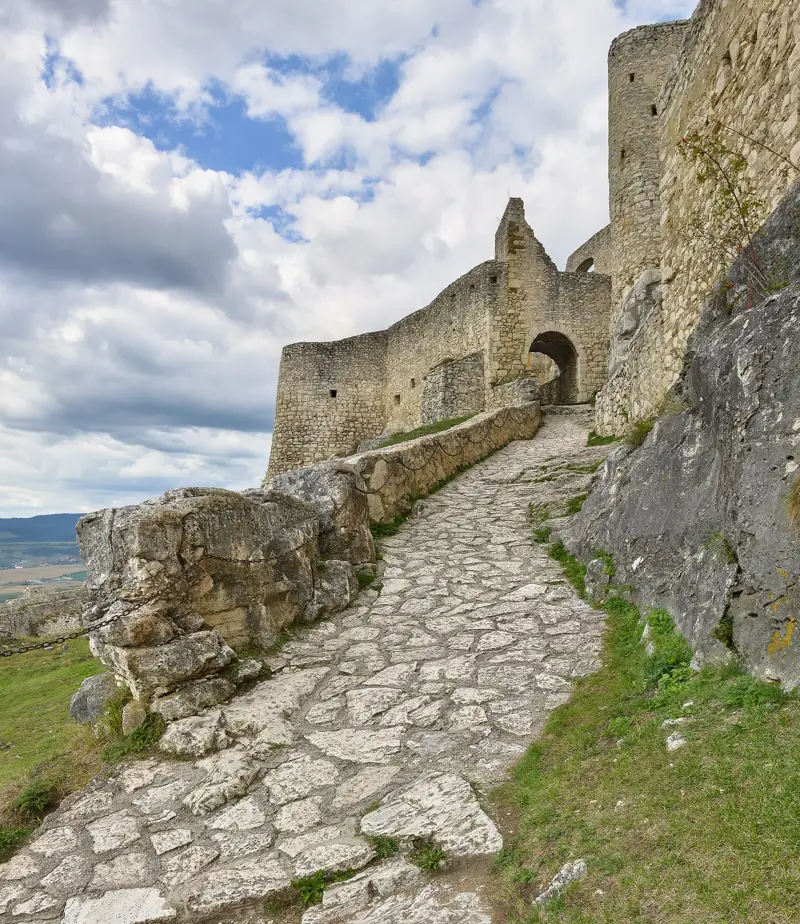
Photo: Spiš Castle · Abrget47j · CC BY-SA 3.0