We may earn a commission when you book through links on this page, at no extra cost to you. Read our affiliate disclosure.
- Independence
- 1 January 1993
- Coronations in Bratislava
- 1536 to 1830
- Velvet Revolution
- 1989
- EU and NATO
- 2004
Slovak history makes most sense when you attach it to places, and a ticketed castle or museum visit is the easiest way to do that, with Tiqets a practical option for booking. Slovakia only became independent on 1 January 1993, but its story reaches back to Great Moravia in the 9th century.
For most of the last thousand years the territory belonged to the Kingdom of Hungary, then the Habsburg monarchy, and then, from 1918, Czechoslovakia. That explains why Bratislava has a German name (Pressburg) and a Hungarian name (Pozsony) in older sources, and why castles and towns look so varied.
This guide is a short timeline, followed by where you can see each period.
Top picks at a glance
Key takeaways
- Great Moravia arose around 830 and is seen as an early Slavic state in the region.
- Between 1536 and 1830 eleven Hungarian kings and queens were crowned in Bratislava.
- Czechoslovakia was formed in 1918, and Slovakia became independent on 1 January 1993.
- Slovakia joined the EU and NATO in 2004.
Best ways to explore Slovak history, ranked
-
Our top pick1
Tickets and entry on Tiqets
Best overallBest for: Planners
Tiqets sells tickets to attractions in many cities. Check the Slovak listings for castles and museums, and compare them with the official sites, as opening hours change by season.
See tickets on Tiqets- Skip queues
- Plan ahead
- Not every site is listed
-
2
Audio tours with WeGoTrip
Best self-guidedBest for: Independent walkers
WeGoTrip sells audio tours for your phone. A self-paced Old Town walk in Bratislava is an easy way to hear the Pressburg story in context.
See audio tours on WeGoTrip- Go at your own pace
- Lower cost than a group tour
- No guide to ask
- Check availability for your city
-
3
Guided tours with Klook
Best for guided visitsBest for: Visitors who prefer a guide
Klook lists guided tours across Europe. Check what is offered for Bratislava, Banská Bystrica or the Spiš region on your dates.
See tours on Klook- Local context
- Availability varies
-
4
Rental car with GetRentacar
Best for sites outside citiesBest for: Road trippers
Several historic sites sit outside the big cities. GetRentacar compares car hire offers, so check the deposit and insurance cover.
Rent on GetRentacar- Reach castles and memorials
- Rental cost
-
5
Bratislava official visitor site
Official informationBest for: City visitors
The city tourism board lists museums, tours and events with current hours.
Official website- Authoritative
- Free
- Covers Bratislava only
Great Moravia and the Kingdom of Hungary
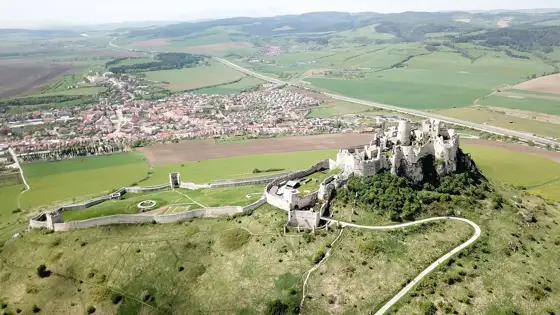
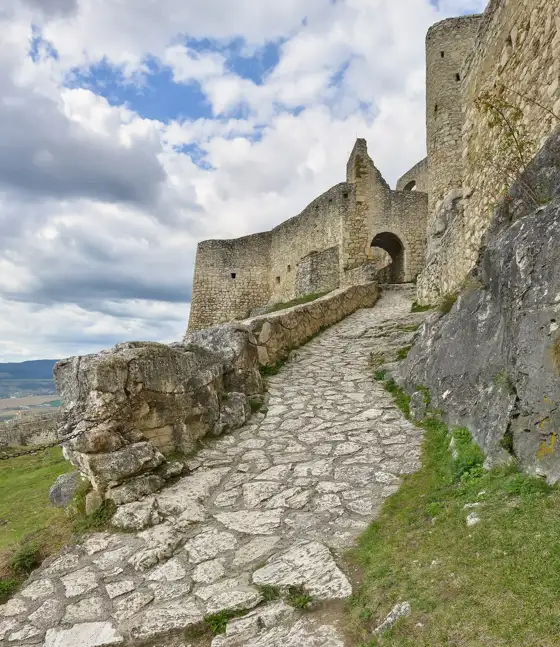
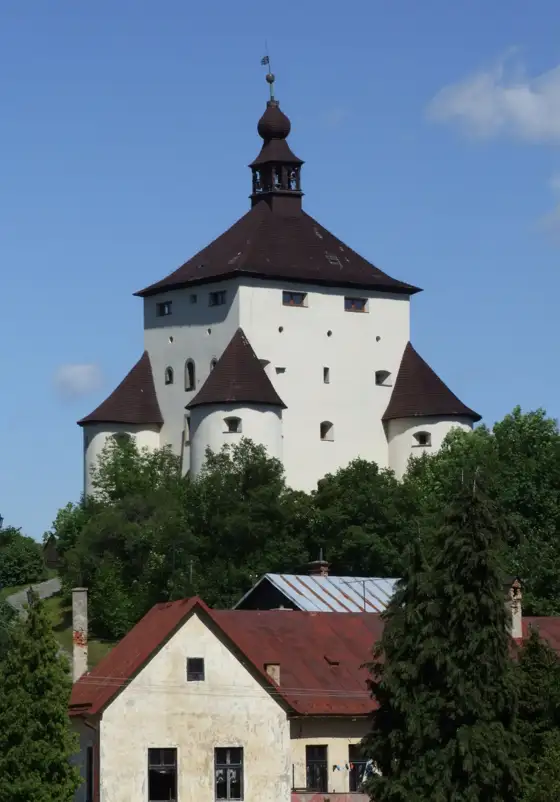
Great Moravia emerged around 830 when Mojmír I unified Slavic tribes, and it is a common starting point in Slovak national history. In 1000 or 1001 Stephen I was crowned the first king of Hungary, and Slovak territory became part of that kingdom. In 1241 and 1242 the Mongol invasion devastated parts of the country, and Wikipedia states that at least a third of the population in affected regions died of famine and epidemics. Many stone castles were built afterwards, see castles in Slovakia and Spiš Castle.
Pressburg and the Habsburgs
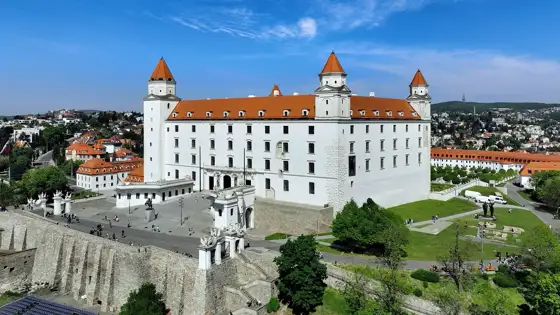
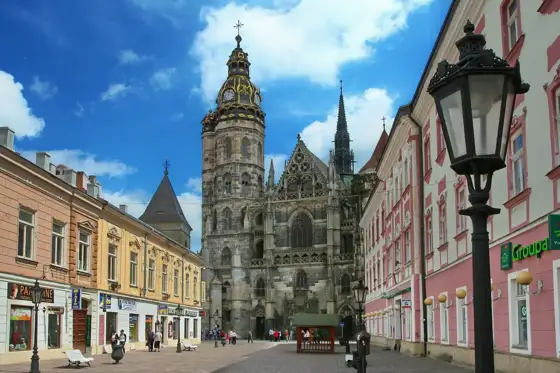
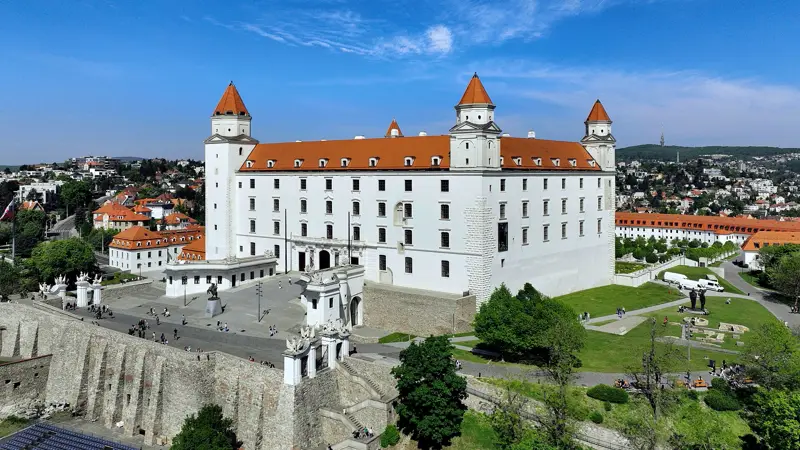
After the Ottoman victory at Mohács in 1526, Hungarian rulers were crowned in Bratislava (then Pressburg). Between 1536 and 1830, eleven Hungarian kings and queens were crowned at St Martin's Cathedral. The Peace of Pressburg between Austria and France was signed in the city in 1805. The Habsburg period is also the background for towns such as Banská Štiavnica and Košice. Start in Bratislava Castle and the Old Town.
Czechoslovakia and the Second World War
Czechoslovakia was formed in 1918. From 1939 to 1945 a Slovak State existed as a Nazi aligned puppet state under Jozef Tiso. The Slovak National Uprising ran from 29 August to 28 October 1944 with its headquarters in Banská Bystrica, and it is remembered as one of the largest uprisings against Nazism in Europe. If you reach Banská Bystrica, ask the tourist office about museums and memorials, and check opening hours.
Communism to independence
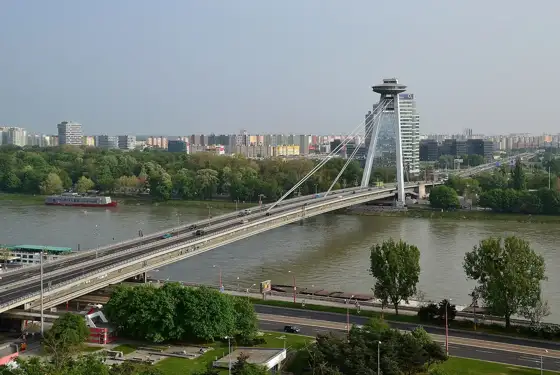
Communists took power in Czechoslovakia in 1948. The Prague Spring reforms of 1968 ended with the Warsaw Pact invasion. The Velvet Revolution of 1989 began the transition to democracy, and Slovakia became independent peacefully on 1 January 1993. The country joined NATO and the EU in 2004, and uses the euro (see travel cost). Bratislava's soviet era landmarks, such as the UFO tower and the Kamzík tower, belong to this period.
Where to see each period
| Period | Where |
|---|---|
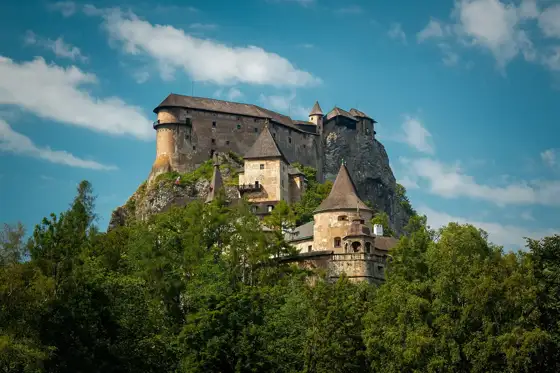
| Medieval | Spiš Castle, Devín Castle, Orava Castle |
| Habsburg era | Bratislava, Levoča, Bardejov |
| 1944 uprising | Banská Bystrica |
| Communist era | Bratislava and Košice city skylines |
Pick one region and one period rather than trying to cover the whole timeline. A west loop could cover Bratislava, Devín and Červený Kameň. An east loop could cover Košice, Levoča and Spiš. Add a guided walk in each city to get the stories that signs do not give.
Tips
Many museums are closed on Mondays or have shorter winter hours, so check each site. English labelling varies, and an audio guide or a local guide helps. For heritage beyond history, see UNESCO sites in Slovakia and Slovak folk culture.
Many places have several names in historical sources: Bratislava appears as Pressburg in German and Pozsony in Hungarian, and Košice as Kassa. Seeing both names on old maps and plaques is normal and reflects the multilingual past of the region. When reading local signs, look for the Slovak name first, then the others.
Museums and memorials worth planning for
Bratislava has several museums covering the city and the region, see things to do in Bratislava. Outside the capital, castle museums, town museums and memorials give period detail. Opening hours and exhibits change, so check each official site before you travel, and be ready for limited English text in smaller places.
Frequently asked questions
When did Slovakia become independent?
On 1 January 1993, when Czechoslovakia peacefully split.
What was Great Moravia?
An early Slavic state that arose around 830. It is often cited as a forerunner of Slovak statehood.
Why is Bratislava called Pressburg in old sources?
Pressburg is the German name for the city, used when it was part of the Habsburg monarchy and the Kingdom of Hungary.
When did Slovakia join the EU?
In 2004, the same year it joined NATO.
What was the Slovak National Uprising?
An armed uprising against Nazi Germany and its allies from 29 August to 28 October 1944, centred on Banská Bystrica.
Photo: Bratislava Castle · C.Stadler/Bwag · CC BY-SA 4.0