We may earn a commission when you book through links on this page, at no extra cost to you. Read our affiliate disclosure.
- National park
- Since 2002, about 346 km²
- Caves
- About 700, 12 in UNESCO listing
- Region
- South-east Slovakia, Košice Region
- Best for
- Caves, gorges, plateau walks
Slovak Karst National Park is a limestone region in south-east Slovakia, about 346 km² in size, with roughly 700 caves, deep gorges and open plateaus, and the best way to see it is by rental car from Košice, which you can compare on Getrentacar. The park became a national park in 2002 and 12 of its caves belong to the UNESCO site Caves of Aggtelek Karst and Slovak Karst, which it shares with Hungary.
The area sits in the districts of Rožňava, Gelnica and Košice-okolie, so it is easy to reach in a day or two from Košice. Public transport reaches the towns, but the caves, canyons and villages are spread out and a car saves a lot of time.
This guide is the overview of the whole park. For single sights see Zádiel Gorge, Domica Cave and Ochtinská Aragonite Cave.
Top picks at a glance
Key takeaways
- The park covers about 346 km² and was declared a national park on 1 March 2002.
- Twelve caves form part of the UNESCO World Heritage listing shared with Hungary.
- Only a few caves are open to the public, on guided tours and mostly in the warm season.
- A car is the practical way to link the gorge, caves and castle in one trip.
Best ways to visit Slovak Karst, ranked
Ranked by how well each option fits this trip: convenience, cost and who it suits. Some options are affiliate partners. How we rank
-
Our top pick1
Rental car with Getrentacar
Best overallBest for: Independent travellers and small groups
The park is spread over plateaus, gorges and small villages, so a car turns a long day into an easy one. Pick up in Košice and loop through Zádiel, Rožňava and the caves. Getrentacar lets you compare car hire offers, so check the deposit, insurance cover and fuel policy before you book.
Rent on GetRentacar Read our GetRentacar review- Your own schedule
- Easy to combine with nearby sights
- No timetable to plan around
- Rental cost and deposit
- Rural roads need daylight and care
-
2
Private transfer with Kiwitaxi
Most comfortableBest for: Families and groups
Kiwitaxi arranges private transfers between cities. From Košice, ask for a quote for a return trip and whether the driver can wait while you visit.
Book a transfer on Kiwitaxi Read our Kiwitaxi review- No driving
- Price agreed in advance
- Costs more than public transport
- Ask whether waiting time is included
-
3
Hiking and trip cover with EKTA
Cover for hiking and tripsBest for: Hikers
EKTA sells travel insurance. Gorge trails and cave steps are easy to slip on, so compare cover for outdoor activity before you travel.
Get a quote from EKTA Read our EKTA review- Cover set up before you leave
- Check that hiking is covered
-
4
Guided tours on Klook
Best for guided visitsBest for: Visitors who prefer a guide
Klook lists guided day trips across Europe. Check whether a tour covering this area is listed for your dates and what the price includes.
See tours on Klook Read our Klook review- Context from a guide
- Planning done for you
- Availability varies by date
- Fixed schedule
-
5
Train and bus (ZSSK)
CheapestBest for: Budget travellers with time
Regional trains and buses serve the towns nearby, but the last stretch is thin. Check the schedule both ways before you commit.
Official website- Low fares
- Slower and less flexible
What Slovak Karst is
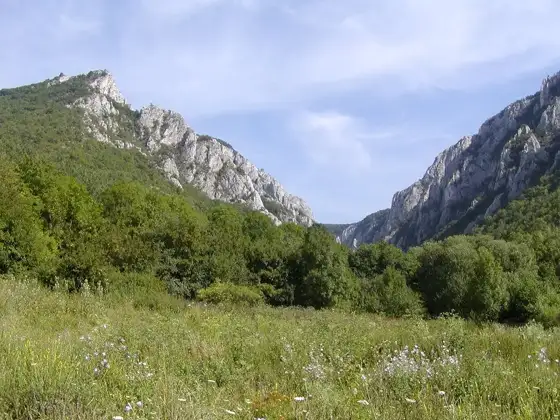
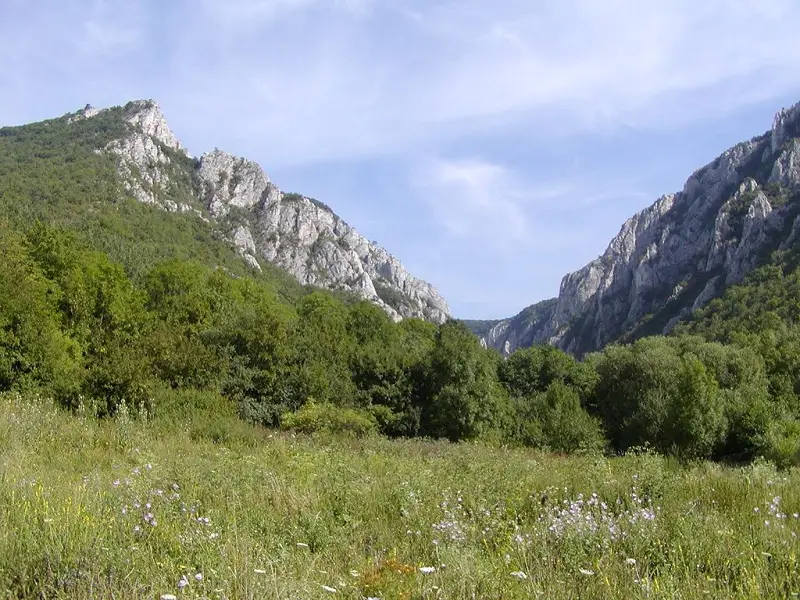
The Slovak Karst is a mountain range of limestone and dolomite plateaus cut by canyons and riddled with caves. Water has dissolved the rock over millions of years, which is why the landscape has sinkholes, dry valleys, underground rivers and large cave systems. The park administration is based in Brzotín, and the protected area was a landscape reserve from 1973 before it became a national park in 2002.
It is also a UNESCO biosphere reserve, listed in 1977, and in 1995 twelve of its caves became part of the World Heritage Site shared with Aggtelek National Park across the Hungarian border. The listing was extended in 2000 and 2008. For the wider picture see UNESCO sites in Slovakia.
Main sights at a glance
| Sight | Type | What it is | Guide |
|---|---|---|---|
| Zádiel Gorge | Canyon | Narrow limestone gorge with a trail along the floor | Zádiel Gorge |
| Domica Cave | Show cave | Cross-border cave system, UNESCO listed | Domica Cave |
| Ochtinská Aragonite Cave | Show cave | Rare white aragonite formations | Ochtinská Cave |
| Krásna Hôrka | Castle | Hilltop castle above Krásnohorské Podhradie | Krásna Hôrka |
| Silická planina | Plateau | High karst plateau above Domica | Walking and views |
Caves you can visit
Of the roughly 700 caves, only a few are show caves. Domica and Ochtinská are both run by the Slovak Caves Administration (ssj.sk), and visits are on guided tours. The public routes are in the cool, damp underground, with steps and uneven floors, so bring a jacket and shoes with grip even in July. Opening seasons and tour times change, so check the official site before you drive.
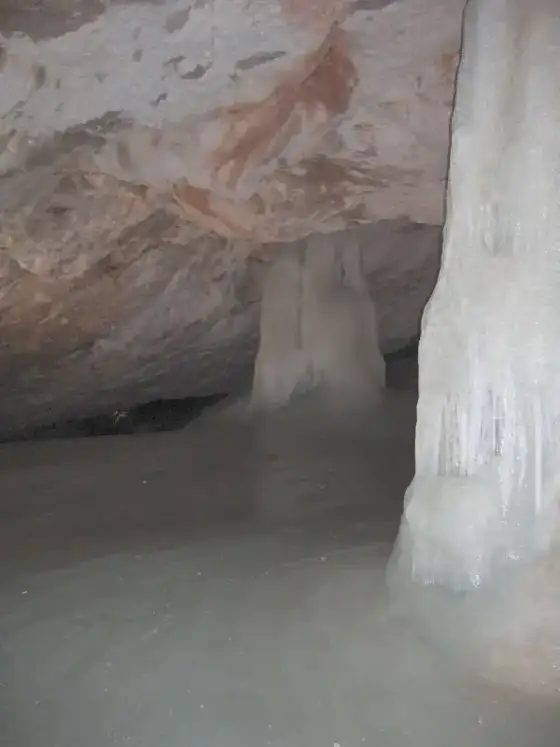
The Slovak Karst is also home to caves that are closed to ordinary visitors because of their fragile formations or wildlife. Do not enter closed caves or look for entrances on your own. For other options across the country read caves in Slovakia and Dobšiná Ice Cave, which lies just north of the park.
Hiking and the plateaus
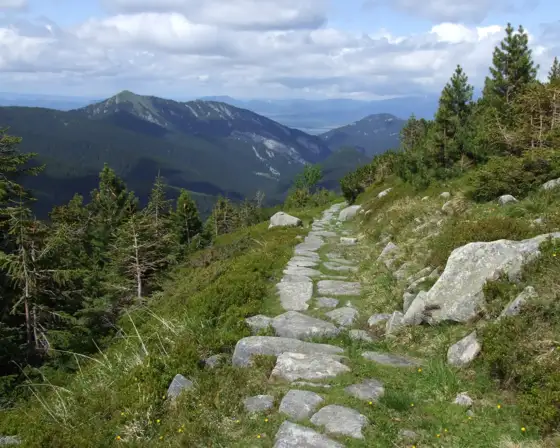
Zádiel Gorge is the best known walk, with rock walls closing in around the trail. Beyond it, marked trails cross the plateaus, and the open karst gives wide views in clear weather. Paths on limestone get slippery when wet, so choose shoes with a good sole and carry water, since there are few shops away from the villages. Beginners can read hiking in Slovakia for beginners.
Park rules cover marked trails, dogs, fires and camping, and they can change by zone. Check the park administration before you plan a long walk. If you travel with a pet, see Slovakia with a dog.
Wildlife, geology and why it matters
The karst is not only about caves. Woods cover the lower slopes, and the plateaus hold open grassland. Many caves shelter bats, so show caves limit lighting and group sizes, and guides ask visitors to stay on the path and avoid touching formations. Oils from skin damage the delicate surfaces, and a single broken stalactite takes thousands of years to regrow.
The cross-border listing exists because the cave systems do not stop at the frontier. Domica on the Slovak side connects with the Baradla cave on the Hungarian side, and walking between countries underground is part of the story the guides tell. If you also plan to visit the Hungarian side, check border and entry rules in Slovakia entry requirements.
How to get there from Košice
Košice is the natural base. The park lies west and north-west of the city, and the towns of Rožňava and Plešivec are the usual gateways. Allow roughly an hour or more by car depending on the sight, and add time for village roads. Pick up a car at car rental in Košice or fly into the city, see Košice airport to the city centre. Road rules are in driving in Slovakia.
By public transport, trains and buses connect Košice with Rožňava, but reaching Zádiel, Domica or the cave entrances usually needs a taxi, a transfer or a long walk. Check ZSSK and bus timetables both ways.
A two-day plan
- Day 1: drive from Košice to Zádiel Gorge in the morning, walk the canyon, then continue toward Rožňava for the night.
- Day 2: visit Ochtinská Aragonite Cave and Domica Cave on guided tours, with Krásna Hôrka castle on the way if it suits your timing.
- Return to Košice by the evening, or continue north to Dobšiná and Slovak Paradise.
Best time to go
Spring to autumn is the easy window for walking, and the show caves are mainly open in the warm season, so summer and early autumn give the widest choice. Winter can bring ice on trails and closed caves. Cave air stays cool all year, so the climate outside matters less once you are underground. For general weather see best time to visit Slovakia and Slovakia in summer.
Practical tips
- Bring cash as well as a card, since card payment at some sites can fail.
- Carry a warm layer for caves and water for the plateaus.
- Book accommodation in Rožňava, Košice or a village guesthouse; the park itself has few hotels.
- Combine with the national parks overview in national parks in Slovakia.
- Plan a longer circuit with Slovakia road trip.
Who should skip it
The park is a poor fit for a very short city break with no car, since the sights are spread out. Visitors with limited mobility should check the step counts and floor conditions of each cave before they travel, and anyone with heart or breathing problems should read the health note on the official caves site. Families with small children can enjoy the gorge and the plateaus, but the caves involve long guided walks in the dark and cold.
If you only have time for one eastern stop, compare the park with things to do in Košice and pick the one that matches your pace.
Frequently asked questions
Where is Slovak Karst National Park?
In south-east Slovakia, in the Košice Region, around the districts of Rožňava, Gelnica and Košice-okolie.
When did Slovak Karst become a national park?
On 1 March 2002, after being a protected landscape area since 1973.
Is Slovak Karst a UNESCO site?
Yes. Twelve of its caves are part of the World Heritage Site Caves of Aggtelek Karst and Slovak Karst, first listed in 1995 and extended later.
Which caves can tourists visit?
Domica and Ochtinská Aragonite Cave are show caves run by the Slovak Caves Administration. Check ssj.sk for seasons and tour times.
Can I visit Slovak Karst without a car?
You can reach Rožňava by train or bus, but sights like Zádiel and the caves are far from stops, so a car or transfer is much easier.
How many days do I need?
One long day covers one gorge and one cave from Košice. Two days let you see the gorge, both main caves and a castle.
Photo: Slovak Karst National Park · Martin Hlauka (Pescan) 18:09, 2 August 2005 (UTC) · Attribution