We may earn a commission when you book through links on this page, at no extra cost to you. Read our affiliate disclosure.
- Established
- 1 October 1997
- UNESCO
- Primeval beech forests, since 2007
- Area
- About 298 km² plus buffer zone
- Location
- Snina District, Prešov Region
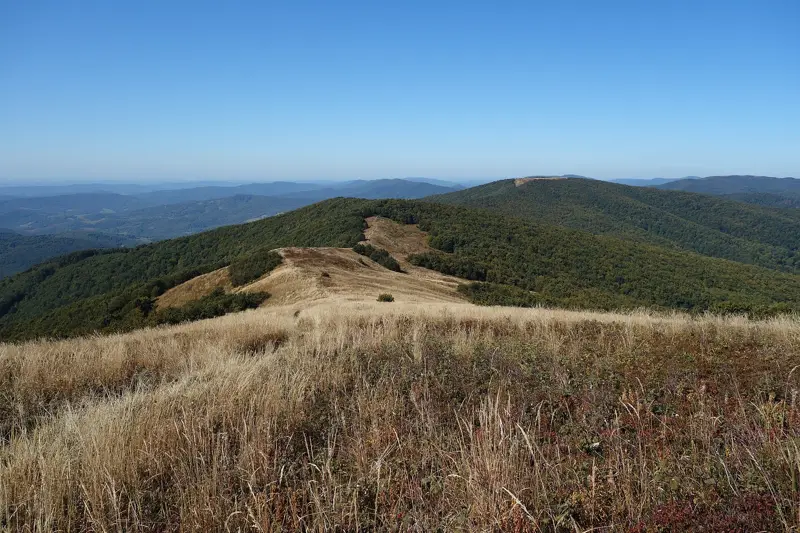
Poloniny National Park is the most remote national park in Slovakia, in the far north-east on the borders with Poland and Ukraine, and the best way to reach it is by rental car from Košice or Prešov, which you can compare on Getrentacar. It protects about 298 km² of meadows and ancient beech forest in the Bukovské vrchy range, and parts of it belong to the UNESCO site Primeval Beech Forests of the Carpathians, added in 2007.
It is also a designated dark sky park, so the stars on a clear night are far brighter than in a city. There are few hotels, little public transport and long drives, so this is a trip for walkers, wildlife watchers and anyone who wants to see Slovakia far from the main routes.
This page covers the forests, the churches, practical routes and a sample two-day plan. For the bigger picture see national parks in Slovakia and UNESCO sites in Slovakia.
Top picks at a glance
Key takeaways
- The park was established on 1 October 1997 in the Snina District.
- Primeval beech forests inside it were added to the UNESCO list on 28 June 2007.
- European bison were reintroduced in 2004.
- A car is essential; allow a full day of travel from Košice or Prešov.
Best ways to visit Poloniny National Park, ranked
Ranked by how well each option fits this trip: convenience, cost and who it suits. Some options are affiliate partners. How we rank
-
Our top pick1
Rental car with Getrentacar
Best overallBest for: Independent travellers and small groups
The park lies at the end of the road in the Bukovské vrchy, with few buses and no rail to the villages. Pick up a car in Košice, Prešov or Poprad and plan fuel stops before the final stretch. Getrentacar lets you compare car hire offers, so check the deposit, insurance cover and fuel policy before you book.
Rent on GetRentacar Read our GetRentacar review- Your own schedule
- Easy to combine with nearby sights
- No timetable to plan around
- Rental cost and deposit
- Rural roads need daylight and care
-
2
Hiking cover with EKTA
Best for hikersBest for: Hikers and wildlife watchers
EKTA sells travel insurance. In a remote area, medical cover matters more, so compare how a policy treats hiking and what it says about mountain rescue before you travel.
Get a quote from EKTA Read our EKTA review- Cover set up before you leave
- Useful for remote areas
- Check altitude and activity limits
-
3
Private transfer with Kiwitaxi
Most comfortableBest for: Families and groups
Kiwitaxi arranges private transfers between cities. From Košice, ask for a quote for a return trip and whether the driver can wait while you visit.
Book a transfer on Kiwitaxi Read our Kiwitaxi review- No driving
- Price agreed in advance
- Costs more than public transport
- Ask whether waiting time is included
-
4
Guided tours on Klook
Best for guided visitsBest for: Visitors who prefer a guide
Klook lists guided day trips across Europe. Check whether a tour covering this area is listed for your dates and what the price includes.
See tours on Klook Read our Klook review- Context from a guide
- Planning done for you
- Availability varies by date
- Fixed schedule
-
5
Train and bus (ZSSK)
CheapestBest for: Budget travellers with time
Regional trains and buses serve the towns nearby, but the last stretch is thin. Check the schedule both ways before you commit.
Official website- Low fares
- Slower and less flexible
What the park protects
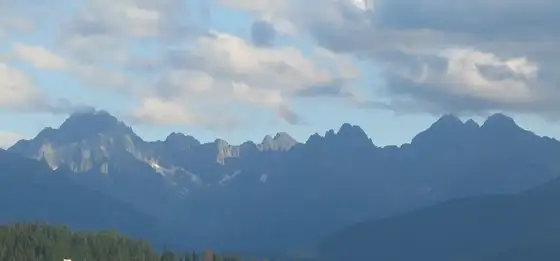
Poloniny sits in the Bukovské vrchy, part of the Eastern Carpathians, in the Snina District of the Prešov Region. It adjoins Poland's Bieszczady National Park, and its highest point, at about 1,208 m, is where the Slovak, Polish and Ukrainian borders meet near Mount Kremenec. The name refers to the polonyny, the high mountain meadows that are typical of the area.
The slopes are covered by beech forest, some of it old growth. Selected areas, including Stužica, Rožok and Havešová, are part of the UNESCO site Primeval Beech Forests of the Carpathians, which Slovakia and Ukraine first shared in 2007. A small herd of European bison was reintroduced into the park in 2004.
Dark sky park
Poloniny is a designated dark sky park, meaning that outdoor lighting is limited and the night sky is easy to see. On a clear, moonless night you can see the Milky Way with the naked eye. Bring a warm layer, a red-light torch and patience, as mountain weather changes quickly. Check cloud forecasts before you plan a night session, and ask your accommodation about observation events.
Park at a glance
| Question | Answer |
|---|---|
| Established | 1 October 1997 |
| UNESCO beech forests | 28 June 2007 |
| Protected area | About 298 km² plus a buffer zone |
| Highest point | About 1,208 m, at the tri-border |
| Bison | Reintroduced 2004 |
| Nearest town | Snina |
Why the beech forests matter
Primeval beech forests are woods that have grown with little or no human interference, so they hold fallen deadwood, old trees and a full range of fungi, insects and birds. The UNESCO listing covers many sites across Europe. Strict reserves inside the park are protected from visitors, so you will see the forest mainly from the edges and from the marked trails that the park administration keeps open.
For a visitor this means two things. First, the walking is gentle but remote, with long sections under tree cover and few viewpoints. Second, the experience is about quiet and atmosphere rather than big sights, so allow time for slow walking and do not expect a packed list of attractions. Compare it with the high-altitude drama of the High Tatras and you will see why the two suit different travellers.
Wooden churches
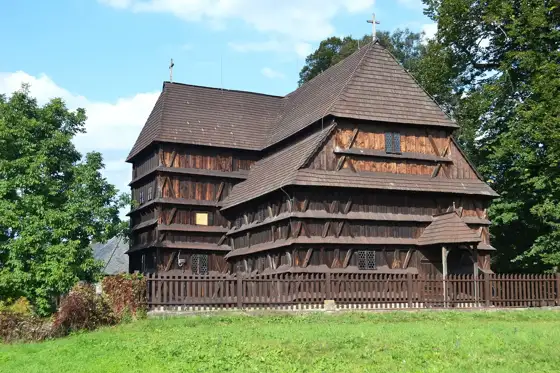
The park area is also known for wooden churches from the 18th century. A trail connects the churches in Topoľa, Uličské Krivé and Ruský Potok, and they show the Carpathian wooden building tradition. For the wider story read wooden churches of Slovakia. Check opening arrangements locally, because small village churches often admit visitors only at set times or by arrangement.
How to get there
Poloniny is a long way from the main tourist corridors. From Košice or Prešov allow a few hours by road, with the final stretch through small villages. Snina is the usual gateway town and has bus and rail links, but moving around the park itself needs a car. See car rental in Košice and driving in Slovakia.
Mobile coverage can be patchy in the valleys, and the border area is a real frontier, so carry a passport or ID and follow signs and rules about border zones. Do not cross into Ukraine from the park, and read Slovakia entry requirements for the general rules.
A two-day plan
- Day 1: drive from Košice or Prešov to Snina and the park visitor area; walk a short marked trail through beech forest.
- Evening: stay in a guesthouse near the park and look at the sky if it is clear.
- Day 2: visit one or two wooden churches, walk a polonyna meadow and drive back with time to spare.
Always check marked trail conditions with the park administration, since some forest areas have restricted access to protect strict reserves. Stay on marked paths.
Best season
Late spring to early autumn is the practical window. Autumn colours in the beech forest are a major draw, while winter snow can make access roads difficult. Summer evenings are usually the easiest time for stargazing, with mild temperatures. See Slovakia in autumn and best time to visit Slovakia for the wider picture, and camping in Slovakia if you plan to sleep outdoors in permitted places.
Practical tips
- Fill the tank before the last stretch and carry water and snacks.
- Wear waterproof shoes, since forest trails stay muddy after rain.
- Bring insect repellent in summer and check for ticks.
- Do not feed wildlife, and keep dogs on a lead; see Slovakia with a dog.
- Beginners can use hiking in Slovakia for beginners for gear advice.
Who should skip it
Skip Poloniny if you have only a weekend and want several major sights, if you do not drive, or if you dislike long journeys on narrow roads. The travel time is a large part of the trip, and services are basic. Travellers with limited time can see easier national parks such as Slovak Paradise or the sights around Košice, and add Poloniny on a later, longer trip.
If you do go, treat the journey as part of the point. Stop in small villages, keep cash for local shops and guesthouses, and leave margin in your schedule. A flexible plan beats a tight one in a region where weather and road conditions decide the day. For a wider eastern route see Slovakia in 10 days.
Frequently asked questions
Where is Poloniny National Park?
In north-east Slovakia, in the Snina District of the Prešov Region, on the border with Poland and close to Ukraine.
Is Poloniny a UNESCO site?
Parts of it are. Primeval beech forests inside the park were added to the Primeval Beech Forests of the Carpathians on 28 June 2007.
Is it a dark sky park?
Yes. Poloniny is a designated dark sky park, and clear nights show a very bright sky.
Are there bison in Poloniny?
A small herd of European bison was reintroduced in 2004, but sightings are not guaranteed.
Can I go without a car?
You can reach Snina by public transport, but moving around the park needs a car or a local transfer.
How many days do I need?
One long day from Košice is possible but tiring. Two days with a night near the park is better, especially for stargazing.
Photo: Poloniny National Park · Milan Bališin · CC BY-SA 4.0