We may earn a commission when you book through links on this page, at no extra cost to you. Read our affiliate disclosure.
- Length
- About 300 m
- Temperature
- Around 7 to 8 °C inside
- Discovered
- 1954, open to visitors since 1972
- UNESCO
- Listed 1995
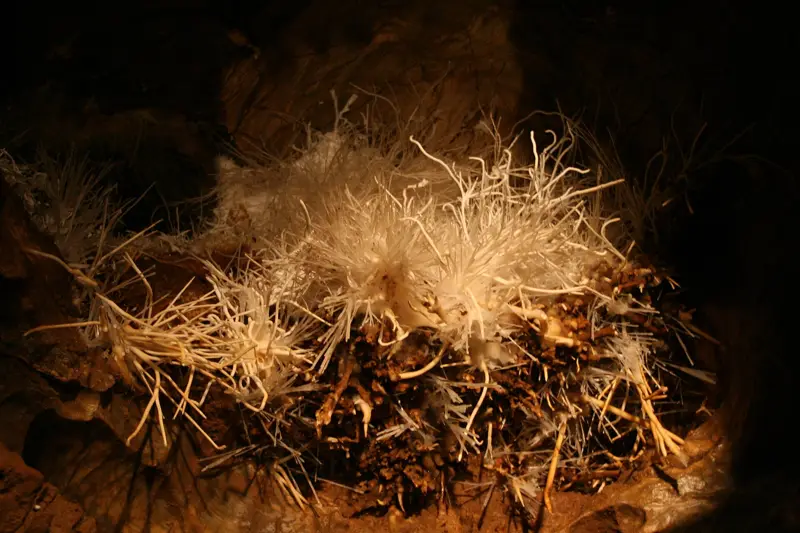
Ochtinská Aragonite Cave is a 300 m show cave in Slovak Karst, famous for rare white aragonite branches and clusters, and the best way to reach it from Košice is by rental car, which you can compare on Economybookings. The air inside stays at roughly 7 to 8 °C, so a jacket is needed even on a hot day.
The cave was found in 1954 and opened to the public in 1972. It is part of the UNESCO site Caves of Aggtelek Karst and Slovak Karst, listed in 1995, and its main highlight is the Milky Way Hall, where white crystals look like stars.
This guide covers the cave, the visit and how to pair it with Domica Cave and the rest of Slovak Karst.
Top picks at a glance
Key takeaways
- The cave is about 300 m long with a height difference of around 30 m.
- Aragonite formations in the Milky Way Hall are the main draw.
- Inside it stays at roughly 7 to 8 °C all year, so bring a jacket.
- It is on the Slovak Caves Administration list, with seasonal guided tours.
Best ways to get to Ochtinská Aragonite Cave, ranked
Ranked by how well each option fits this trip: convenience, cost and who it suits. Some options are affiliate partners. How we rank
-
Our top pick1
Rental car with Economybookings
Best overallBest for: Independent travellers and small groups
The cave is on a hillside near the village of Ochtiná, close to Rožňava, and rail does not serve the entrance. A car lets you add Domica, Zádiel Gorge and Krásna Hôrka in one day. Economybookings lets you compare car hire offers, so check the deposit, insurance cover and fuel policy before you book.
Compare cars on Economybookings Read our Economybookings review- Your own schedule
- Easy to combine with nearby sights
- No timetable to plan around
- Rental cost and deposit
- Rural roads need daylight and care
-
2
Private transfer with Kiwitaxi
Most comfortableBest for: Families and groups
Kiwitaxi arranges private transfers between cities. From Košice, ask for a quote for a return trip and whether the driver can wait while you visit.
Book a transfer on Kiwitaxi Read our Kiwitaxi review- No driving
- Price agreed in advance
- Costs more than public transport
- Ask whether waiting time is included
-
3
Cover for trips with EKTA
Cover for hiking and tripsBest for: Active travellers
EKTA sells travel insurance. Cave steps and forest paths can be wet, so compare medical and activity cover before you travel.
Get a quote from EKTA Read our EKTA review- Cover set up before you leave
- Check that your activity is covered
-
4
Guided tours on Klook
Best for guided visitsBest for: Visitors who prefer a guide
Klook lists guided day trips across Europe. Check whether a tour covering this area is listed for your dates and what the price includes.
See tours on Klook Read our Klook review- Context from a guide
- Planning done for you
- Availability varies by date
- Fixed schedule
-
5
Train and bus (ZSSK)
CheapestBest for: Budget travellers with time
Regional trains and buses serve the towns nearby, but the last stretch is thin. Check the schedule both ways before you commit.
Official website- Low fares
- Slower and less flexible
What makes the cave special
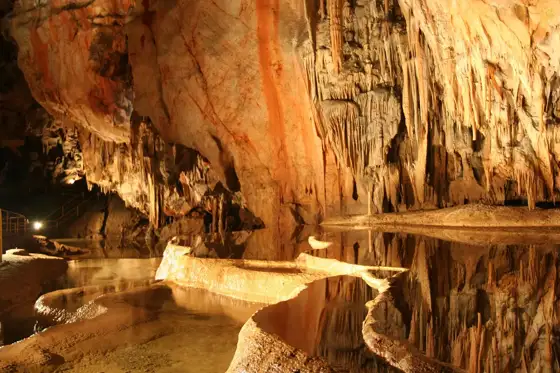
Most Slovak show caves are known for dripstone. Ochtinská is known for aragonite, a different crystal form of calcium carbonate that grows as thin white branches, bushes and clusters on the walls and ceilings. The Milky Way Hall is the most photographed part, where the crystals create a starry effect. The oldest formations are roughly 120,000 to 130,000 years old, while younger ones are about 14,000 years old.
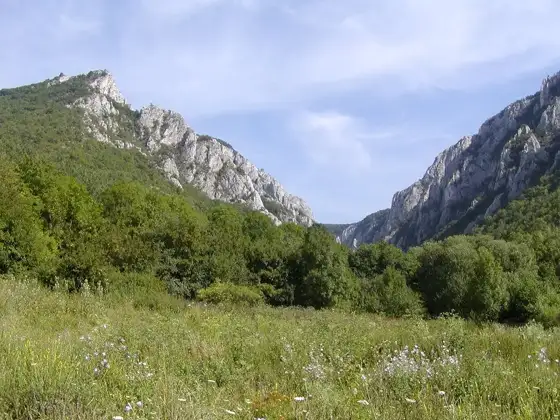
The cave lies at around 642 m above sea level near Rožňava in the Slovak Karst. UNESCO included it in 1995, under the geological criterion, in the shared Slovak and Hungarian karst listing. See UNESCO sites in Slovakia for the other World Heritage sites.
At a glance
| Question | Answer |
|---|---|
| Length | About 300 m |
| Height difference | About 30 m |
| Temperature | Around 7.2 to 7.8 °C |
| Found | 1954 |
| Opened to visitors | 1972 |
| Highlight | Milky Way Hall with white aragonite crystals |
Discovery and protection
Martin Cangár and Jiri Prosek found the cave in 1954, and it opened to visitors in 1972. Since the crystals are so fragile, access has always been controlled, and the guides explain why even a light touch can leave a mark. The cave is cool and stable, and that steady climate is one reason the crystals survive.
The cave has about 26,000 visitors in a recorded year, so it is far smaller than the big tourist caves. Plan around limited group sizes rather than hoping to join at the last minute, especially at weekends. Ask the guide about the difference between aragonite and ordinary calcite, which explains the spiky, branching shapes you see on the ceiling and why they look so different from stalactites. A quiet visit also gives time to look at the details of each cluster before the group moves on.
How to get there
From Košice the drive is roughly one hour or more, depending on the route, and the cave is closer to Rožňava than to any big town. Public transport reaches Rožňava, but the final stretch up to the cave requires a taxi or a walk, so check timetables both ways. See car rental in Košice and driving in Slovakia before you set out.
The tour
The visit is a short guided tour on a marked route with steps and slopes. Because the cave is small and delicate, groups are limited and the guide controls the pace. Aragonite crystals are fragile, so do not touch them. The official caves site notes that tours involve reduced temperature and higher humidity, and that people with heart, breathing or mobility problems should consider the visit carefully.
Check the opening seasons and tour times on ssj.sk, since small caves often run fewer departures than large ones. Cards are sometimes not accepted, so bring cash. From 1 January 2026 photo and video fees are waived on regular tours, but the tour is not extended for photos.
What to wear and bring
| Item | Why |
|---|---|
| Warm jacket | Around 7 to 8 °C inside, all year |
| Closed shoes with grip | Steps can be damp |
| Cash | Card payment is not always available |
| Light gloves | Handrails are cold |
| Small bag | Space is tight |
Ochtinská compared with other caves
| Cave | Known for | Visit style |
|---|---|---|
| Ochtinská Aragonite Cave | White aragonite crystals | Short, delicate, small groups |
| Domica Cave | Cross-border system, dripstone | Longer guided route |
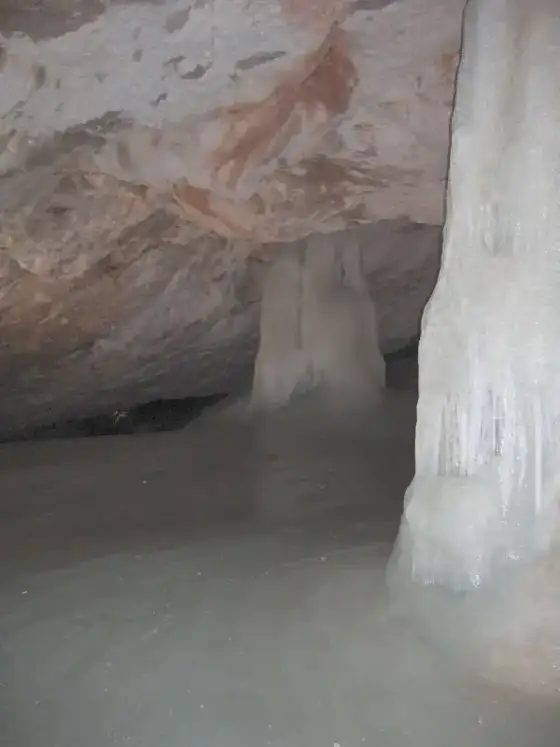
| Dobšiná Ice Cave | Ice walls | Seasonal, near freezing |
| Demänovská caves | Big dripstone halls in the Low Tatras | Larger tourist cave |
For links to those pages see Domica Cave, Dobšiná Ice Cave, Demänovská caves and the full list of caves in Slovakia.
Combining it with a day trip
A simple plan from Košice is a morning walk in Zádiel Gorge, lunch in Rožňava, then a cave tour in the afternoon. For a second cave, add Domica the next morning. History fans can include Krásna Hôrka Castle, a short drive away. More ideas are in day trips from Košice.
Who should skip it
Skip the cave if you struggle with steps or cold air, or if you only have an hour of spare time between other stops. The tour is short, but the journey from Košice is the larger part of the day, so it works best when combined with something else. If the weather is warm, remember that the contrast between outside and inside is large, and bring a layer you can take off.
Families with young children can visit, but strollers are not practical on steps. Travellers who prefer open-air sights may enjoy the gorge more, and those who like geology will want the cave. Photographers will find the low light demanding, so steady hands and a phone with night mode is more useful than a flash, which guides usually do not allow.
Step by step: visiting the cave
- Check the official site for the season, tour times and any closure.
- Choose a base in Rožňava or Košice, and pack a warm layer.
- Drive to the cave and allow time to walk to the entrance.
- Buy your ticket and wait for the guide.
- Follow the tour through the Milky Way Hall and stay behind the guide.
- Afterwards, continue to Domica, Zádiel or a lunch stop.
Seasons matter. Cave temperatures do not change much, but access roads can be icy in winter, and tours may not run on every day. Late spring and early autumn are calm periods with comfortable weather for the walk to the entrance. See best time to visit Slovakia for the wider picture and Slovakia road trip if you are building a longer drive.
Frequently asked questions
What is special about Ochtinská Aragonite Cave?
It is known for rare white aragonite crystals, especially in the Milky Way Hall, where they look like stars.
How long is the cave?
About 300 m, with a height difference of around 30 m.
How cold is it inside?
Roughly 7 to 8 °C, so bring a jacket even in summer.
Is it a UNESCO site?
Yes. It was inscribed in 1995 as part of the Caves of Aggtelek Karst and Slovak Karst.
When is it open?
Show caves in Slovakia run seasonal schedules. Check the official Slovak Caves Administration site for current dates and tour times.
Can I reach it without a car?
You can reach Rožňava by train or bus, but the cave is outside town, so a taxi, transfer or car is more practical.
Photo: Ochtinská Aragonite Cave · Jojo, en:Jojo_1, pl:Jojo · CC BY-SA 3.0