We may earn a commission when you book through links on this page, at no extra cost to you. Read our affiliate disclosure.
Diesen Reiseführer auf Deutsch lesen
Przeczytaj ten przewodnik po polsku
Přečtěte si tohoto průvodce česky
Olvassa el ezt az útmutatót magyarul
Yes, Slovakia is a safe country to travel to and to visit as a tourist, and the main risks are petty theft in busy areas and mountain hazards rather than violent crime. The sensible first step is to have travel insurance that covers medical costs and any activities you plan. For emergency numbers and how the EHIC works, see healthcare for tourists in Slovakia.
Bratislava and Košice are calm compared with many European capitals, and the High Tatras are well organised but demanding in bad weather. Common-sense habits cover most of what you need.
This guide looks at the typical risks and what to do about them. Safety is one factor when you ask should you visit Slovakia at all.
Top picks at a glance
Key takeaways
- Violent crime against tourists is rare, but pickpocketing can happen in busy places.
- Use pre-booked transfers or a taxi app to avoid overcharging.
- Mountain weather changes fast, so check forecasts and trail rules.
- Bears live in the Tatras and other mountains, so follow local advice.
- The emergency number is 112.
Best ways to stay safe in Slovakia, ranked
Ranked by how well each option fits this trip: convenience, cost and who it suits. Some options are affiliate partners. How we rank
-
Our top pick1
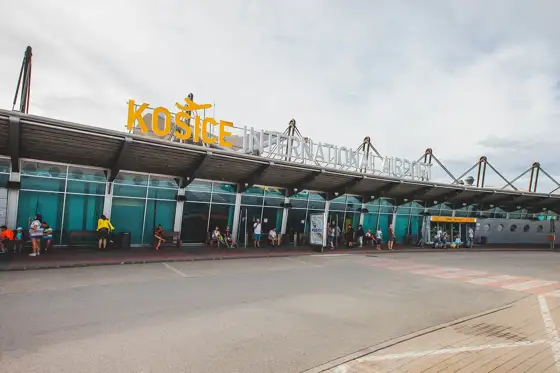
Pre-booked airport transfer with Kiwitaxi
Best for arrivalBest for: Late arrivals
A pre-booked transfer gives you a known price and a driver waiting for you, which avoids haggling with unlicensed taxis.
Book a transfer on Kiwitaxi Read our Kiwitaxi review- Fixed price
- No haggling
- Costs more than public transport
-
2
Travel insurance with EKTA
Best overallBest for: Everyone, especially hikers
Insurance protects you from big medical costs, especially for non-EU visitors and for those who hike or ski. EKTA offers online quotes for trips abroad.
Official website Read our EKTA review- Medical cover
- Quick quote
- Check activity exclusions
- Underwritten by an insurer licensed outside the EU (Union of Comoros); read the policy wording
-
3
Travel eSIM with Airalo
Best for staying connectedBest for: Non-EU visitors
Data lets you use maps, translation and taxi apps and call for help. Airalo sells eSIMs for visitors without a suitable plan.
Get an Airalo eSIM Read our Airalo review- Install before arrival
- Maps and apps
- Mostly data only
-
4
Mountain safety basics
Best for hikersBest for: Hikers and skiers
Check the forecast, start early, wear proper boots and respect trail closures. Many high Tatra routes are closed in winter months.
- Free
- Prevents most problems
- Requires planning
Crime and scams
Petty theft such as pickpocketing can occur in crowded places, trams, bus stations and tourist areas. Keep valuables in front pockets or a zipped bag. Overcharging by some taxis is a known issue, so use a ride app or pre-book. Be careful with strangers who offer help at ticket machines or ATMs.
Is Slovakia dangerous?
For most visitors, no. Slovakia is a member of the EU, NATO and the Schengen Area, and violent crime against tourists is rare. The problems travellers actually report are small ones.
- Pickpocketing on crowded trams, at stations and at events.
- Taxi overcharging, avoided with a ride app or a pre-booked transfer.
- Bar bills with charges that were not on the menu.
- Mountain accidents, caused mostly by weather and tiredness rather than by crime.
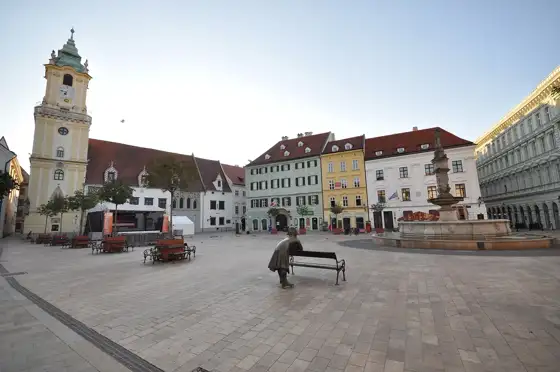
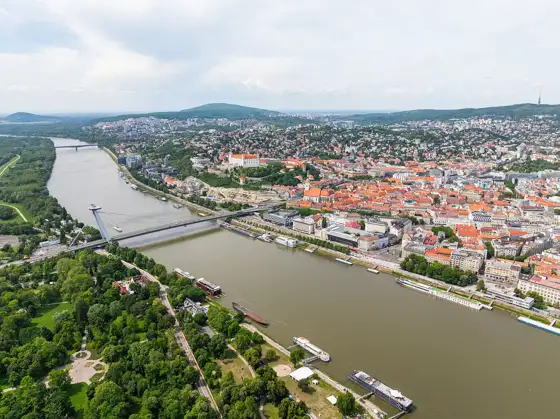
Compared with many large European capitals, Bratislava is calm, and Košice and the smaller towns feel relaxed even in the evening. The sensible habits are the same as anywhere: keep valuables out of back pockets, use licensed taxis and watch your drink in busy venues. See Slovakia travel tips for more practical advice.
Getting around safely
Public transport is safe and generally reliable. At night, stay in well-lit areas and use licensed taxis. If you rent a car, read driving in Slovakia, including the zero alcohol limit. Visitors who plan to drink should also know the alcohol rules in Slovakia.
Mountain safety
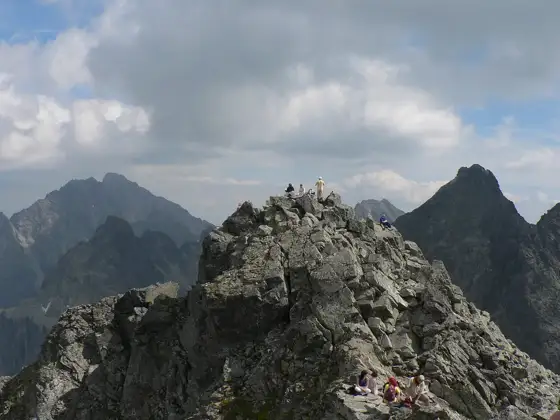
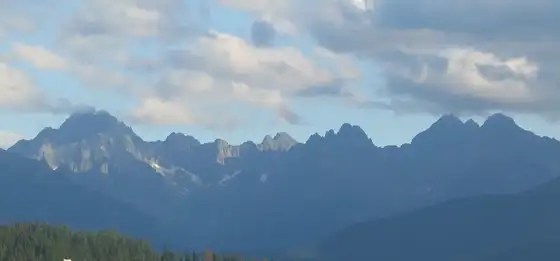
The High Tatras are alpine terrain. Weather can change within an hour, storms in summer are common and snow can arrive early. Many trails above the tree line close in winter, and avalanche risk applies in winter. Tell someone your plan and carry water, layers and a charged phone. See best hikes in the High Tatras.
Wildlife
Slovakia has brown bears, mostly in mountain forests. Attacks are rare. Make noise on trails, never feed animals and keep food stored. Local advice and signs apply.
Health and emergencies
Tap water is safe, and healthcare is good. Call 112 for emergencies. EU and UK visitors can use their health card for state care, and everyone should consider travel insurance. For more practical advice, see Slovakia travel tips.
Is Slovakia safe to travel to right now?
Conditions can change, so check before you go instead of relying on a general answer. The most reliable sources are your own government's travel advice page and the official Slovak sites for any warnings about weather, floods or events.
- Read the current travel advice for Slovakia from your country's foreign ministry.
- Slovakia shares a border with Ukraine, so if you plan to visit the far east, read the advice for that region as well.
- Check the mountain forecast and trail notices if you plan to hike, see the High Tatras in autumn for seasonal closures.
- Confirm that your travel insurance is active and covers the activities you plan, see travel insurance for Slovakia.
- Save the emergency number 112 on your phone.
Day to day, tourists in Bratislava, the Tatras and the main cities travel normally. Entry rules are in entry requirements for Slovakia.
Safety for different travellers
Solo travellers, families and groups all report few problems in Slovakia, and most issues are minor, such as a lost phone or a ticket dispute. Women travelling alone should use the same precautions as in any European city: stay in well-lit areas at night, use licensed taxis and share your plans with someone. LGBTQ+ travellers may find attitudes in smaller towns more reserved than in Western Europe, so use discretion outside Bratislava. Keep a photo of your passport and your insurance details on your phone, and carry some cash in a separate place from your cards in case one is lost.
Natural hazards and seasons
Summer thunderstorms can build quickly over the mountains, so start hikes early and turn back if clouds darken. In winter, snow and ice affect roads and trails, and avalanche warnings apply in higher terrain. Heavy rain can raise river levels, which matters if you plan rafting or walks along gorges. Check the local forecast each morning, and follow signs and advice from park staff and mountain huts. See the best time to visit Slovakia to match your plans to the season.
Scams and tourist traps to watch for
- Unlicensed or unmarked taxis. Use a ride app, a taxi rank at a known stand or a pre-booked transfer. Agree the method of pricing before you start.
- Bar and club bills. Some venues in tourist districts add charges that were not on the menu. Check prices before you order and review the bill.
- Distraction theft. Someone asks for directions or spills something while a second person takes a bag or phone.
- ATM help. Use machines inside banks when you can and cover the keypad.
- Currency exchange booths. The country uses the euro, so most visitors from the eurozone do not need to change cash. Compare rates and fees if you do. See money in Slovakia.
Safety checklist before you go
- Buy travel insurance that covers medical care and, if you hike, mountain rescue. See travel insurance for Slovakia and hiking insurance for the High Tatras.
- Check that your passport or ID meets the rules, see entry requirements for Slovakia.
- Save the emergency number 112 (and 18 300 for the Mountain Rescue Service if you hike) and your accommodation address on your phone.
- Photograph your documents and store them securely online.
- Arrange mobile data so you can use maps and call for help, see eSIM for Slovakia.
Driving and road safety
Road conditions vary. Motorways are generally good, while rural roads can be narrow, and winter brings snow and ice at higher altitude. Drivers should keep to the speed limits, since fines can be heavy, and the alcohol limit for drivers is zero. Wild animals can cross roads at dusk, especially in forested areas. If you rent a car, read car rental insurance explained and the vignette guide.
Safety in cities and at night
Bratislava, Košice and other cities are lively in the evenings, particularly on weekends, and groups of drinkers can be noisy. Most visitors have no problem. Stay in busy streets, keep an eye on your drink and your belongings, and use licensed transport late at night. Quiet underpasses and poorly lit parks are better avoided after dark. See Bratislava at night for the evening scene. For bars, clubs and getting home late, see Bratislava nightlife.
When to take extra care
Large events, Christmas markets and crowded tram lines raise the risk of pickpocketing, as they do anywhere in Europe. In mountains, the main hazard is the weather and your own limits, not crime. Fog, cold and fatigue lead to most hiking problems, so set a turnaround time and stick to it. Mountain huts and park staff can give advice on the day's conditions.
Frequently asked questions
Is Slovakia safe for solo female travellers?
Generally yes. Use normal precautions at night, particularly in unfamiliar areas, and use licensed taxis.
Is Bratislava safe at night?
The old town and main areas are generally safe. Stay alert in crowded places and avoid isolated streets late at night.
Are there dangerous animals in Slovakia?
Brown bears live in mountain forests, but encounters are rare. Follow local guidance and do not feed wildlife.
Is tap water safe in Slovakia?
Yes, tap water is generally safe to drink.
What number do I call in an emergency in Slovakia?
Call 112 for police, ambulance and fire.
Is Slovakia safe for families with children?
Yes, families generally find it comfortable. Normal precautions in crowds and strict supervision near mountain paths and water are the main points.
Do I need vaccinations for Slovakia?
There are usually no special requirements for most visitors. Check current health guidance from your own government before travelling, and ask your doctor about tick protection if you hike in forests.
Is Slovakia dangerous?
No, not for most visitors. Violent crime against tourists is rare, and the usual issues are pickpocketing, taxi overcharging and mountain weather. Normal precautions cover most risks: keep valuables close, use licensed taxis, and check forecasts before hiking in the High Tatras.
Is Slovakia safe to travel to right now?
Check your own government's travel advice just before you go, because conditions can change. In normal conditions, tourists travel freely in Bratislava, the Tatras and other main areas. Slovakia borders Ukraine, so read the advice for the east if you plan to go there. Keep 112 saved as the emergency number.
Is Slovakia a safe country to visit alone?
Yes. Solo travellers generally report few problems. Use the same habits as in any European city: stay in well-lit areas at night, use licensed taxis, tell someone your plans if you hike, and keep digital copies of your documents.
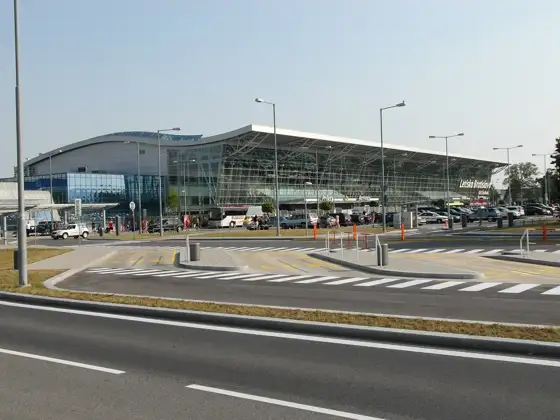
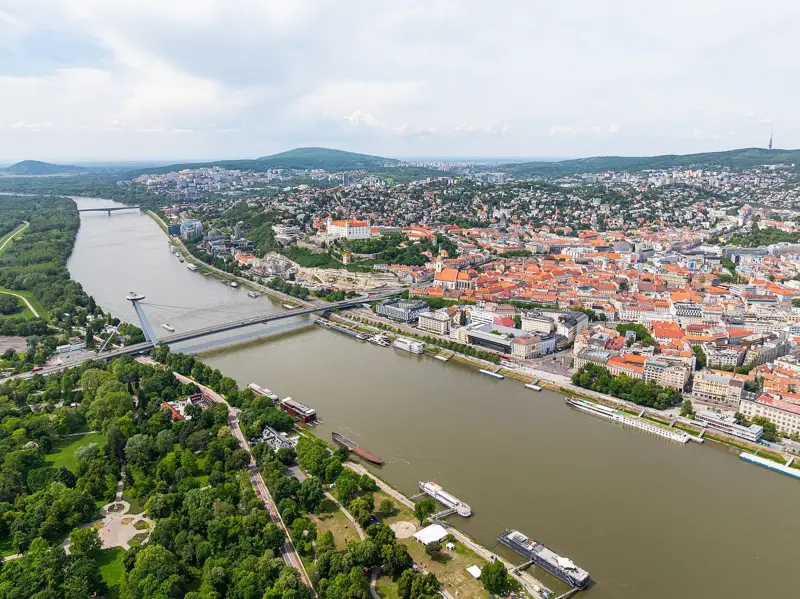
Photo: Bratislava · Arne Müseler · CC BY-SA 4.0