We may earn a commission when you book through links on this page, at no extra cost to you. Read our affiliate disclosure.
- Capital
- Bratislava
- Currency
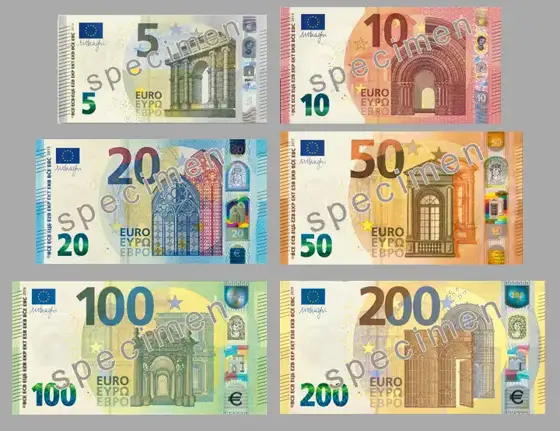
- Euro (EUR)
- Emergency
- 112
- Plugs
- Type C and E, 230 V
Slovakia uses the euro, is in the EU and the Schengen Area, runs on Central European Time, uses type C and E plugs at 230 V, and its emergency number is 112. This page collects the basic facts visitors ask about most, with links to the full guides.
Bratislava is the capital, Slovak is the official language, and cars drive on the right. Motorways need an electronic vignette, tap water is safe to drink, and tipping around 10 percent in restaurants is common practice.
Top picks at a glance
Key takeaways
- Currency: euro (EUR) since 1 January 2009.
- EU member since 2004 and in the Schengen Area since December 2007.
- Emergency number 112; mountain rescue 18 300.
- Plugs type C and E, 230 V, 50 Hz.
- Time zone CET (UTC+1), CEST (UTC+2) in summer.
What to sort out before you go, ranked
Ranked by how well each option fits this trip: convenience, cost and who it suits. Some options are affiliate partners. How we rank
-
Our top pick1
Travel insurance with EKTA
Do this firstBest for: Every visitor, especially hikers
Travel insurance that covers medical costs, and mountain rescue if you plan to hike in the Tatras, is the one thing that can save a trip. Check what the policy covers for hiking and skiing before you buy.
Get a quote from EKTA Read our EKTA review- Covers medical costs abroad
- Options for active trips
- Read the hiking and skiing terms
-
2
eSIM with Airalo
Stay onlineBest for: Non-EU visitors
Visitors from outside the EU can install a data eSIM before landing to avoid roaming charges. EU visitors usually roam at home prices.
Get an Airalo eSIM Read our Airalo review- Installed before you fly
- No SIM swap
- Data only on most plans
-
3
Airport transfer with Kiwitaxi
Easy arrivalBest for: Families and late arrivals
A pre-booked transfer from Vienna or Bratislava airport removes the first-day hassle, especially for late arrivals and families.
Book a transfer on Kiwitaxi Read our Kiwitaxi review- Fixed booking
- Driver waits for you
- Costs more than the bus
-
4
Motorway vignette (eznamka.sk)
If you driveBest for: Drivers
Driving on Slovak motorways and expressways requires an electronic vignette linked to your licence plate. Buy it online before you join the motorway.
Official website- Online, no sticker
- Fines if missing
Slovakia facts table
| Topic | Fact |
|---|---|
| Capital | Bratislava |
| Official language | Slovak |
| Population | About 5.4 million |
| Currency | Euro (EUR), since 1 January 2009 |
| EU / Schengen | EU since 1 May 2004, Schengen since 21 December 2007 |
| Time zone | CET (UTC+1), CEST (UTC+2) from the last Sunday of March to the last Sunday of October |
| Electricity | 230 V, 50 Hz, plug types C and E |
| Driving | On the right; electronic vignette for motorways and expressways |
| Calling code | +421 |
| Emergency | 112 (general), 155 ambulance, 158 police, 150 fire, 18 300 mountain rescue |
| Highest peak | Gerlachovský štít, 2,655 m, in the High Tatras |
| Neighbours | Austria, Czech Republic, Poland, Ukraine, Hungary |
Money and payments
Slovakia uses the euro, so visitors from other eurozone countries need no exchange. Cards and contactless payments are widely accepted in cities, while small mountain huts, market stalls and some village restaurants may prefer cash. ATMs are easy to find in towns. When a card machine asks whether to pay in euros or your home currency, choosing euros usually avoids a poor conversion rate. More detail is in money in Slovakia and is Slovakia expensive.
Entry rules
Slovakia applies the Schengen rules. EU, EEA and Swiss citizens can enter with a valid passport or national ID card. Many other nationalities can stay visa-free for up to 90 days in any 180-day period across the whole Schengen Area, while others need a Schengen visa. The EU Entry/Exit System registers non-EU visitors at the external Schengen border. Always check the official EU travel site before you go, and read our Slovakia entry requirements guide.
Getting around
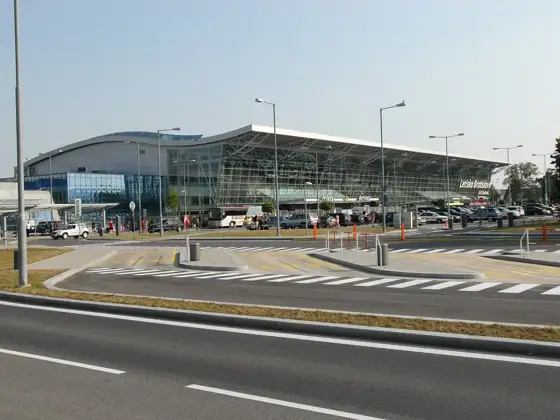
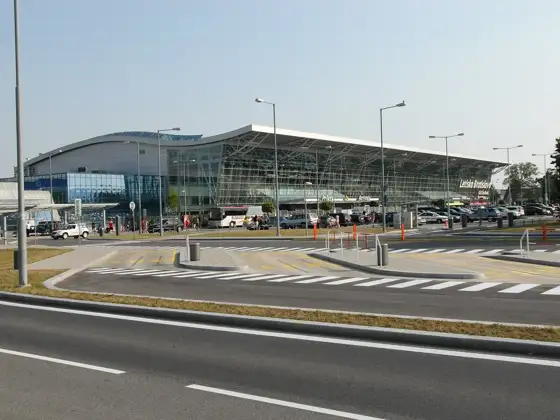
Trains run by ZSSK and private operators link Bratislava with Žilina, Poprad and Košice, and the Tatra Electric Railway connects the main High Tatras resorts. Buses fill the gaps between smaller towns. Bratislava has trams, trolleybuses and buses with tickets bought by app, machine or contactless card. Most international visitors arrive through Bratislava Airport or Vienna Airport, about 60 km away. See trains in Slovakia, Bratislava public transport and Vienna Airport to Bratislava.
Driving rules worth knowing
Cars drive on the right. Motorways and expressways need an electronic vignette, bought at eznamka.sk or from official sellers and linked to the licence plate. Slovakia has a zero tolerance policy for alcohol when driving. Dipped headlights are required at all times. In winter, follow the winter tyre rules for snowy and icy roads, especially in the mountains. Read driving in Slovakia and the Slovakia vignette guide.
Everyday practicalities
Tap water is safe to drink. Shops in cities usually open daily, but many close or shorten hours on public holidays, so check Slovak public holidays before you plan. Tipping around 10 percent for good service in restaurants is common practice, and rounding up is normal elsewhere: see tipping in Slovakia. English is widely understood by younger people and in tourist areas; a few Slovak phrases are appreciated.
Mountains and safety
Slovakia is generally a safe country for visitors. In the High Tatras, trails above the mountain huts close seasonally from 1 November to 15 June to protect nature, so check the Tatra National Park (TANAP) rules for your dates. Mountain rescue in Slovakia can charge for rescue operations, which is why insurance that covers hiking matters. Save 112 and 18 300 in your phone. More in is Slovakia safe and hiking insurance for the High Tatras.
Frequently asked questions
What currency does Slovakia use?
The euro (EUR), since 1 January 2009.
Is Slovakia in the Schengen Area?
Yes, since 21 December 2007, so there are no routine border checks with Austria, the Czech Republic, Poland or Hungary.
What plug type does Slovakia use?
Types C and E at 230 V and 50 Hz, the same as most of continental Europe.
What is the emergency number in Slovakia?
112 for all emergencies. Mountain rescue (Horská záchranná služba) is 18 300.
What time zone is Slovakia in?
Central European Time, UTC+1, and UTC+2 in summer from the last Sunday of March to the last Sunday of October.
Can you drink tap water in Slovakia?
Yes, tap water is safe to drink across the country.
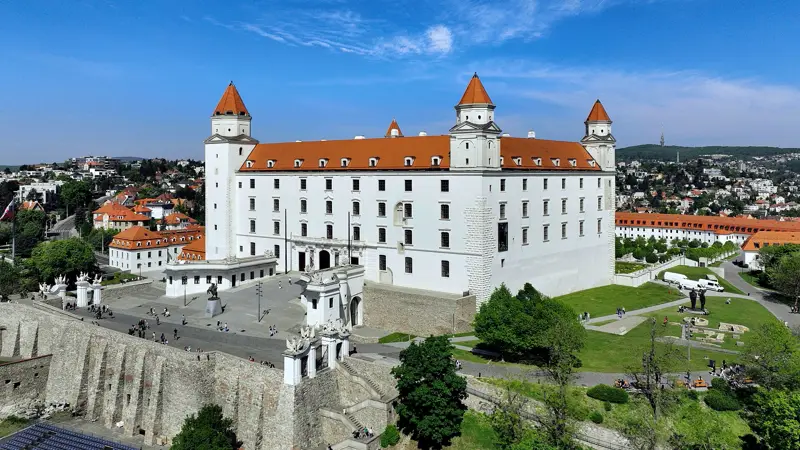
Photo: Bratislava Castle · C.Stadler/Bwag · CC BY-SA 4.0