We may earn a commission when you book through links on this page, at no extra cost to you. Read our affiliate disclosure.
- Rescue charges
- HZS charges uninsured people
- Emergency number
- 112 or HZS 18 300
- Check wording
- Mountain rescue and hiking
- Buy
- Before you leave home
Diesen Reiseführer auf Deutsch lesen
Przeczytaj ten przewodnik po polsku
Přečtěte si tohoto průvodce česky
Olvassa el ezt az útmutatót magyarul
Yes, you should buy insurance that explicitly covers mountain rescue before hiking in the High Tatras, and EKTA is our first pick for getting a quote online. Slovakia's Mountain Rescue Service (HZS) charges people for rescues, so a normal health card or a basic city-break policy may not pay the bill.
Many travellers assume a European Health Insurance Card is enough. It covers state healthcare, not the technical cost of a rescue on the mountain, such as search teams, stretcher transport or a helicopter. The card does not cover private clinics, repatriation or mountain rescue, see healthcare for tourists in Slovakia.
Below is a ranking of ways to get covered, followed by what to look for in the policy wording and what to do if something goes wrong.
Top picks at a glance
Key takeaways
- Slovak mountain rescue is not free: the person rescued is charged unless insured.
- A health card (EHIC) or standard travel policy often does not cover rescue costs.
- Look for wording that names hiking, trekking or mountain rescue and any altitude limit.
- Helicopter flights can cost thousands of euros per hour.
- Call 112 or 18 300 in an emergency and save the HZS app.
Best ways to insure a High Tatras hike, ranked
Ranked by how well each option fits this trip: convenience, cost and who it suits. Some options are affiliate partners. How we rank
-
Our top pick1
EKTA travel insurance
Best overallBest for: Most hikers on a Tatras trip
EKTA offers travel insurance quotes online for trips abroad, including medical cover. It is a quick way to compare cover levels, but read whether hiking and mountain rescue are included in the plan you pick.
Official website Read our EKTA review- Quick online quote
- Medical cover options
- Can be bought before you travel
- Check sports and activity exclusions
- Compare limits and excess before buying
- Underwritten by an insurer licensed outside the EU (Union of Comoros); read the policy wording
-
2
Mountain insurance from Tatra information offices
Local optionBest for: Last-minute buyers
Visitor information offices in the Tatras and the websites of Slovak insurers sell short mountain-specific policies, often built around rescue costs. It is a handy fallback if you arrive uninsured.
- Designed for mountain rescue
- Can be bought on the spot
- Usually covers rescue only, not medical care or cancellation
- Check the policy language in English
-
3
Annual travel insurance with sports cover
Best for frequent tripsBest for: Frequent travellers
If you travel several times a year, an annual policy with a hiking or sports add-on may cost less than separate short policies. Confirm that mountain rescue and the type of terrain are included.
- One policy for many trips
- Often includes medical cover
- Sports add-ons may cost extra
- Altitude limits can apply
-
4
Your credit card or home policy
Check firstBest for: People who confirmed cover in writing
Some cards and domestic policies include travel cover. Most do not list HZS rescue costs, so ask your provider in writing before relying on it.
- No extra purchase if it covers you
- Often excludes hiking or rescue
- Claims can be slow
How mountain rescue is charged in Slovakia
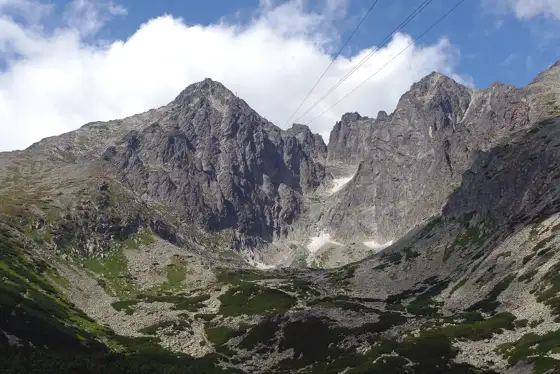
The Mountain Rescue Service (Horská záchranná služba, HZS) operates in the Tatras and other Slovak mountain areas. Since 2006 it has charged people who are rescued, and tourists without suitable commercial insurance have to pay themselves. Costs range from a modest sum for a simple operation to many thousands of euros for complex ones. A flight hour of a rescue helicopter can cost around 3,700 to 4,000 euros according to Slovak press reports, so check current figures. Climbing Gerlachovský štít with a guide is a technical alpine climb where a rescue bill is realistic.
This differs from Poland, where state funding covers more. The difference matters if you hike on both sides of the border. See our High Tatras guide for trail context. You can find a hike in the High Tatras by difficulty before you buy cover.
Why a health card is not enough
An EHIC covers medically necessary state healthcare in EU countries. It does not pay for the technical side of a rescue, such as searching for you, carrying you on a stretcher or aircraft costs, which fall on the person in the mountains. Basic travel policies often exclude hiking above a set altitude or treat mountain rescue as an optional extra. Read the definitions, not just the headline cover limit.
What to look for in the policy
- Mountain rescue: named as covered, including search and helicopter transport.
- Activity: hiking or trekking listed, with any altitude limit that suits trails like Rysy (2,499 m).
- Medical cover: hospital treatment and repatriation.
- Exclusions: alcohol, off-trail climbing and winter conditions are common exclusions.
- Limit: enough to cover a helicopter and hospital stay.
For more on general policies, see travel insurance for Slovakia.
Before you set out
Check the weather and trail status, tell your accommodation your route and carry a charged phone. The Mountain Rescue Service (hzs.sk) publishes safety information, so check its site for current tools. In winter, trails above the mountain huts are closed for part of the year, and going there can void your cover and lead to a fine. Our best hikes page lists routes by difficulty.
If you need help
Call 112 or the mountain rescue number 18 300. Give your position, the number of people and the nature of the injury. Keep every receipt and the rescue report, then contact your insurer as soon as possible, since many insurers require notification within a set time. If you skied or hiked in a group, ask who has cover, since the person called for pays.
Types of cover compared
| Cover type | Usually covers | Watch for |
|---|---|---|
| Single-trip travel policy with hiking cover | Medical costs, repatriation, sometimes rescue | Altitude limits, rescue named or not |
| Annual multi-trip policy with sports add-on | The same, across many trips | Maximum days per trip, activity list |
| Short mountain policy | Rescue costs in a set area | May exclude medical care or home repatriation |
| Card or home policy | Varies widely | Often silent on mountain rescue |
Whatever you choose, ask one question in writing if the wording is unclear: "Does this policy pay for HZS search and rescue in Slovakia, including a helicopter, while I hike on marked trails?" Keep the reply with your documents. Broader policy advice is in travel insurance for Slovakia, and non-EU visitors should read insurance for non-EU visitors.
Which trips need the most cover
Not every walk carries the same risk. A stroll around Štrbské Pleso lake or the lower valley paths is a different proposition from a ridge scramble. Routes that deserve closer attention include summit hikes such as Rysy, long days from Popradské pleso, and any trip that includes chains, steep rocky sections or snow patches into early summer. Check that your policy does not exclude "mountaineering" in a way that treats ordinary Tatra hiking as climbing. Alpine-style scrambling is often treated as a separate activity with its own rules.
Documents and apps to carry
- Policy number and the insurer's 24-hour emergency phone number, saved offline.
- A photo of your passport or ID card.
- Your EHIC or equivalent, if you hold one, for state healthcare.
- Your accommodation address, so rescuers can pass it on.
- A power bank, since cold drains phone batteries quickly.
Check the website of the Mountain Rescue Service (hzs.sk) for the current advice and for any official app or emergency tools. It also publishes avalanche information through a separate portal. In summer, weather can change within an hour, so look at the forecast the evening before and again in the morning.
Claims: how to avoid a refusal
Insurers refuse claims for predictable reasons. The most common are hiking above an altitude limit named in the policy, ignoring a closed trail, drinking alcohol before the incident, and failing to notify the insurer within the stated period. Before you leave, read the definitions page and the exclusions page. Write down the insurer's contact route, and take photographs of any warning signs if you need to prove where you were. Keep the invoice from any rescue operation, because the insurer may ask for a copy of the original.
Group trips raise another question: who pays if one person is rescued? Each member should hold their own cover. Rescue invoices go to the rescued person, not the group.
Winter and seasonal trail closures
Many Tatra trails above the mountain huts close in winter, and the closure dates are published officially, so check them before planning a late-autumn or spring hike. Going on a closed trail can lead to a fine and can complicate insurance. For winter activities beyond hiking, read ski insurance in Slovakia and the High Tatras in winter.
Frequently asked questions
Do I have to pay for mountain rescue in Slovakia?
Yes if you are not covered by suitable commercial insurance. HZS charges the person rescued, and the cost can be high if a helicopter is needed.
Does the EHIC cover mountain rescue in the Tatras?
No. It covers state healthcare, not the technical rescue costs such as search teams or transport from the mountain.
Is rescue free on the Polish side?
Rules differ between Slovakia and Poland, so do not assume. Check the rules of the country where you hike and your policy.
What number do I call in the Tatras?
Call 112, or the mountain rescue number 18 300.
Can I buy cover after I arrive?
Often yes, through Tatra information offices or Slovak insurers, but buying online before you travel gives you more time to compare.
Does the policy need to name Slovakia?
Not necessarily, but it should cover the whole of Europe or your destination, and it should list hiking or trekking and mountain rescue. Read the activity list.
Is insurance needed for easy walks too?
The risk is lower, but accidents on easy trails still happen, and a basic mountain policy is cheap compared with rescue costs. Many walkers buy cover for any mountain day.
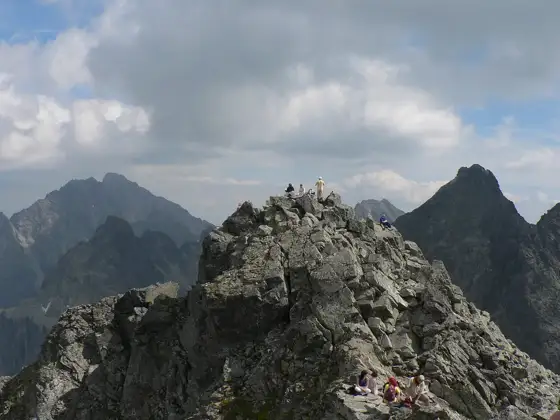
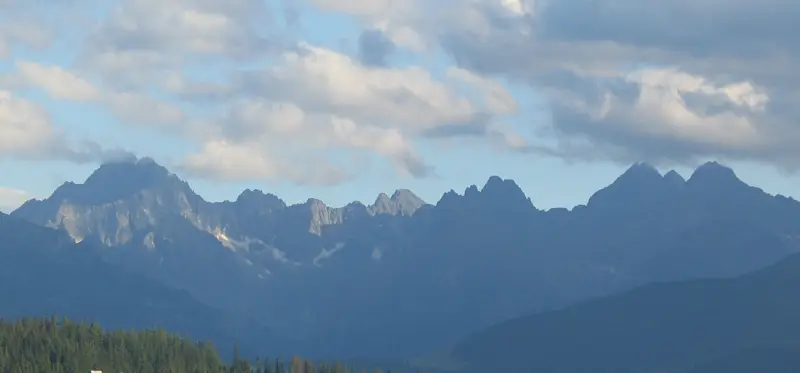
Photo: High Tatras · Unknown · CC BY-SA 3.0