We may earn a commission when you book through links on this page, at no extra cost to you. Read our affiliate disclosure.
- Elevation
- About 2,655 m
- Access
- Certified mountain guide, or UIAA club member
- Classic route
- Velická próba, chains, UIAA II to III
- Season
- Summer, trails shut 1 Nov to 15 Jun
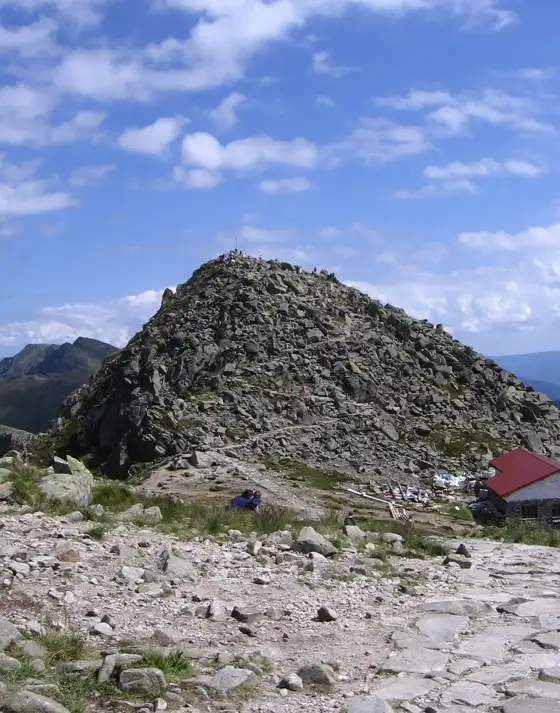
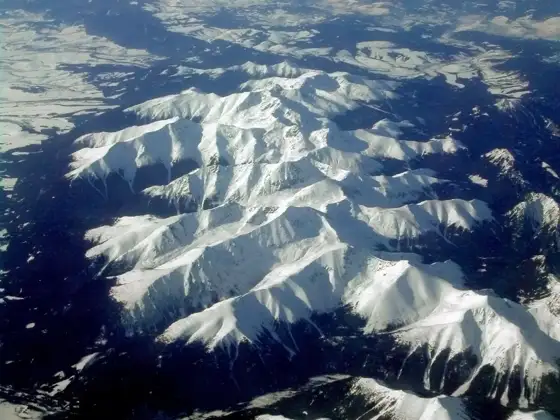
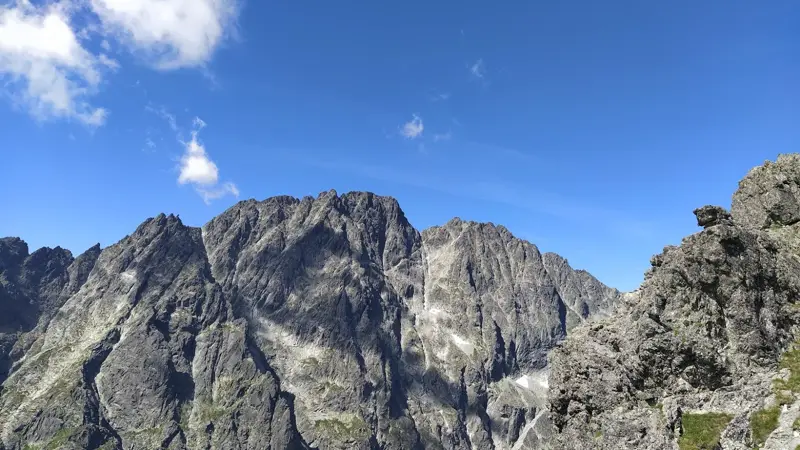
Gerlachovský štít is the highest peak in Slovakia, the High Tatras and the whole Carpathians at about 2,655 m (2,654.4 m), and most visitors may only climb it with a certified mountain guide. Taply ranks hiking insurance with EKTA first, because this is a technical alpine climb where a rescue bill is realistic, and cover should be sorted before you book a guide.
The summit stands in Tatra National Park above the Velická valley. Only members of national mountaineering clubs affiliated with the UIAA may climb independently. Everyone else needs a certified guide, and leaving marked trails without one can bring a fine under the park rules.
This page explains the rules, the two classic routes, how guided climbs usually work and what to do if you want a mountain view without the technical climb. For lower options, see the best hikes in the High Tatras and the Rysy hike.
Top picks at a glance
Key takeaways
- Gerlachovský štít is about 2,655 m and the highest peak in Slovakia.
- Independent ascent is limited to members of recognised UIAA clubs. Others need a certified guide.
- The classic routes use fixed chains and are rated roughly UIAA II to III in dry conditions.
- Higher trails are closed from 1 November to 15 June.
- Mountain rescue is 18 300, and 112 also works.
Best ways to plan a Gerlachovský štít climb, ranked
Ranked by how well each option fits this trip: convenience, cost and who it suits. Some options are affiliate partners. How we rank
-
Our top pick1
Hiking insurance with EKTA
Best overallBest for: Anyone going above the huts
A guided alpine climb is not a normal walk. EKTA is a travel insurance option to check for hiking and mountain activities, and the policy terms should state the altitude and activity limits.
Get a quote from EKTA Read our EKTA review- Online purchase before you travel
- Useful where a rescue bill is possible
- Check that alpine terrain and guided climbing are covered
-
2
Certified mountain guide
Required for most visitorsBest for: Climbers who want the summit
A certified Slovak mountain guide leads the ascent, handles the rope and gear questions and knows current route conditions. Look for guides listed by the Slovak mountain guide association or booked through a Tatra hut or resort.
- Legal way to climb for non-members
- Local weather and route knowledge
- Needs advance booking and a fit, experienced group
-
3
Private transfer with Kiwitaxi
Best for logisticsBest for: Fly-in visitors
Kiwitaxi offers private transfers between cities and airports, which helps with an early start from Poprad or Starý Smokovec to the trailhead area.
Book a transfer on Kiwitaxi Read our Kiwitaxi review- Early pickup
- Fits a guide's meeting time
- Extra cost
-
4
Easier Tatras tours on Klook
Best alternativeBest for: Casual visitors
If the climb is out of reach, Klook lists guided outings in the region that give mountain views without technical terrain.
See tours on Klook Read our Klook review- Lower effort
- Guide and transport arranged
- No summit
Rules: who can climb
The rule is specific. Members of national mountaineering clubs that belong to the UIAA may climb on their own. All other visitors must go with a certified mountain guide, and park rules allow fines for leaving marked trails unguided. The park authority is TANAP, and its site is the place to confirm the current rules before booking.
The same logic applies on other peaks above the marked trail network. Treat any ridge or summit not on a signposted route as guide-only until the park confirms otherwise.
Routes and difficulty
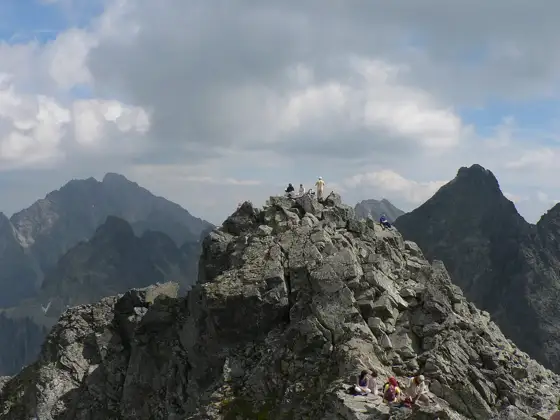
The two easiest routes are the Velická próba, usually used for the ascent, and the Batizovská próba, usually used for the descent. Both have been secured with chains since 1880 and are graded about UIAA II to III in dry conditions. Longer technical routes climb the eastern and southwestern granite walls and are for trained climbers only. In winter the peak is a serious alpine climb with avalanche risk.
| Route | Use | Character |
|---|---|---|
| Velická próba | Usual ascent | Chains, exposure, UIAA II to III |
| Batizovská próba | Usual descent | Chains, exposure, similar grade |
| Eastern and southwestern walls | Technical climbing | Multi-pitch granite, experts |
The elevation gain is about 1,000 m for people who sleep at Sliezsky dom or are driven closer by a guide, and about 1,665 m for those who walk from Tatranská Polianka.
How a guided climb works
Most groups start very early and use a hut such as Sliezsky dom as a base, because the summit day is long. A guide usually asks for fitness, shoes with a stiff sole and a helmet, and may supply a harness and rope. Bring cash for hut meals, a headlamp, warm layers, water and food. The guide decides to turn back if weather or rockfall make the route unsafe, so keep the day flexible.
Build in a spare day for bad weather, and look at how the mountain huts work for booking rules. A first Tatra summit is usually easier on Rysy, which is a demanding but unguided route in season.
Season, weather and closures
Trails above the mountain huts are closed from 1 November to 15 June in Tatra National Park, so the practical summer season runs from mid June to October, with snow possible early and late. Afternoon storms are common and lightning is a real risk on exposed granite. Start early, be off the summit before midday, and watch the forecast the day before.
Winter climbing is a different activity entirely and needs avalanche training and equipment. Do not treat summer advice as applying to snow conditions.
Think about the group size too. Guides normally take small groups so that everyone can be watched on the chains, and a mixed-ability party moves at the pace of its slowest member. Be honest about your fitness when booking, and ask what happens if someone must turn back. Also confirm what the fee covers, such as the guide's time, equipment and any hut costs, so there are no surprises on the day. Photos from the summit are a reward, but the priority is a safe return before the afternoon weather window closes.
Safety and emergency numbers
Call Mountain Rescue on 18 300, or 112, which also works. Rescue in the Tatras can be billed, and helicopter use is costly, so check that your policy covers it. See hiking insurance for the High Tatras for what to look for, including activity limits for chained routes and guided climbs.
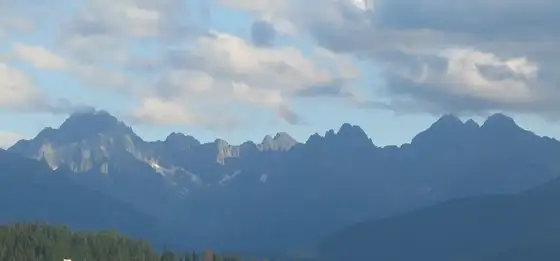
If you only want a view of the peak, many Tatra viewpoints show the ridge from below. The High Tatras guide lists lakes and walks that do not need a guide.
What to expect on summit day
The day usually begins before sunrise. The group climbs from the valley base, often from a hut, up the Velická valley towards the Velická próba. The lower part is a steep trail, and the higher part is a chain-protected rock route with exposed ledges, short vertical steps and loose stones. The climb is controlled by a guide, who sets the pace and places the group where rockfall risk is lowest. Helmets are sensible because other parties may be above you.
On top there is a small summit with a very large drop, and the views reach across the High Tatras and into Poland. The descent by the Batizovská próba is as demanding as the ascent, since tired legs and chains need attention. Expect a long day, and carry enough food and water to avoid hunger-driven mistakes.
Fitness, gear and getting ready
Prepare with several weeks of steep hiking and, if possible, a day on a via ferrata or chain route. Good boots with grippy soles, gloves for the chains, a helmet, a headlamp, a warm layer and a rain shell are the basics. Ask the guide what is supplied. Practise on lower routes first; the best hikes in the High Tatras and the Kriváň hike are good tests of your stamina at altitude.
Arrive in the area a day early so tired travel does not eat into your energy. Resorts such as Starý Smokovec and Tatranská Polianka work as bases, and where to stay in the High Tatras compares them. Never underestimate the descent, which is where most accidents happen on long alpine days.
Frequently asked questions
How high is Gerlachovský štít?
About 2,655 m (2,654.4 m), the highest peak in Slovakia, the High Tatras and the Carpathians.
Can I climb Gerlachovský štít without a guide?
Only members of national mountaineering clubs affiliated with the UIAA may climb independently. Everyone else needs a certified mountain guide.
How hard is the climb?
The classic routes are secured with chains and graded around UIAA II to III in dry conditions. They are exposed and need a head for heights and good fitness.
When can I climb it?
Practically from mid June to October. Higher trails above the huts are closed from 1 November to 15 June, and winter ascents are serious alpine climbs.
What is the mountain rescue number?
Call 18 300 for Mountain Rescue, or 112, which also works.
Is there an easier peak for a first Tatra summit?
Rysy on the Polish border is demanding but does not need a guide in season. Lower hikes are listed in the easy hikes guide.
Photo: Gerlachovský štít · Jakub Krajňák · CC BY-SA 4.0