We may earn a commission when you book through links on this page, at no extra cost to you. Read our affiliate disclosure.
- Dress code
- casual, smart-casual for evenings
- Summer cities
- light clothes, sun protection
- Winter
- warm coat, hat, boots with grip
- Churches
- shoulders and knees covered
Wear smart-casual layers and comfortable, grippy shoes in Slovakia: there is no strict dress code, but sudden weather changes, uneven cobblestone old towns and steep mountain trails reward practical clothes, and active churches expect covered shoulders and knees, which is easy to manage with a light scarf. Summers are warm in the cities, spring and autumn are cool and changeable, and winters are cold with snow.
This guide breaks down what to wear in each season, for sightseeing, evenings out, churches and mountain walks. For a full checklist of documents and gear, see the Slovakia packing list.
Top picks at a glance
Key takeaways
- Layers and a rain jacket work in every season.
- Cobblestone old towns need comfortable shoes, not new ones.
- Cover shoulders and knees in active churches.
- Mountains are much colder than cities, even in summer.
- Restaurants and bars are casual; smart-casual fits almost anywhere.
What to sort out besides clothes, ranked
Ranked by how well each option fits this trip: convenience, cost and who it suits. Some options are affiliate partners. How we rank
-
Our top pick1
Travel insurance with EKTA
Best first stepBest for: Hikers, skiers and anyone outside the EU
Clothes will not help if a mountain walk goes wrong or you catch a winter illness. EKTA offers online quotes; if you plan to hike or ski, confirm that the policy covers those activities.
Get a quote from EKTA Read our EKTA review- Online quote
- Activity cover can be added
- Check exclusions and limits
-
2
Travel eSIM with Airalo
Best for staying connectedBest for: Navigation and forecasts
A data eSIM keeps maps and weather forecasts on your phone, which helps you decide what to wear each morning. Check that your phone supports eSIM before buying.
Get an Airalo eSIM Read our Airalo review- Install before you fly
- No SIM swap
- Phone must be eSIM-compatible
-
3
Luggage storage with Radical Storage
Best for travelling lightBest for: Early arrivals and late departures
If you arrive in the morning in a heavy winter coat, leaving the bag in the city lets you explore comfortably. Availability depends on the city.
Find storage on Radical Storage Read our Radical Storage review- Free hands for sightseeing
- Fewer locations outside big cities
-
4
Local shops for forgotten items
BackupBest for: Small gaps in your packing
Supermarkets, drugstores and outdoor shops in larger towns sell rain jackets, hats, gloves and basics, so you can fill gaps on arrival.
- Easy in towns
- Limited choice in mountain villages
What to wear by season
Slovakia has four distinct seasons, so the right outfit depends on the month. Temperatures also drop with altitude, so the High Tatras are noticeably colder than Bratislava on the same day. See Slovakia weather by month and the best time to visit Slovakia for typical conditions.
| Season | City clothing | Mountain clothing |
|---|---|---|
| Spring (Mar to May) | Light jacket, long trousers, a sweater, umbrella | Waterproof shell, warm layer, boots; snow can linger on high trails |
| Summer (Jun to Aug) | T-shirts, shorts or light trousers, sunglasses, hat | Fleece, rain jacket, hiking shoes; afternoon storms are common |
| Autumn (Sep to Nov) | Jacket, scarf, closed shoes, rain layer | Warm layers, hat, gloves, sturdy boots |
| Winter (Dec to Feb) | Warm coat, hat, gloves, thermal layer, boots with grip | Ski or thermal clothing, insulated waterproof boots, goggles |
Sightseeing in cities
Bratislava, Košice, Levoča and most old towns are paved with cobblestones, and castles involve hills and stairs. Comfortable, broken-in shoes matter more than any outfit. Sandals with no heel support are tiring on a full day, and heels are a poor match for the old town streets.
Locals dress casually in daytime and slightly smarter in the evening, but jeans and clean trainers are accepted nearly everywhere, including most restaurants. Concert halls and opera performances call for smart-casual, as in most European cities. Plan a day in town with Bratislava in one day and pack accordingly.
Churches, castles and cathedrals
Active churches, including St Martin's Cathedral in Bratislava and the wooden churches described in wooden churches of Slovakia, expect modest dress. Cover shoulders and knees, remove hats and keep voices low. A light scarf or shawl in your daypack solves the problem in summer.
Castle ruins are cooler and windier than the town below, and interiors are often unheated. In summer, bring a thin layer for castles and caves. Caves stay cool all year, and shoes with grip are useful on wet steps.
Hiking and the mountains
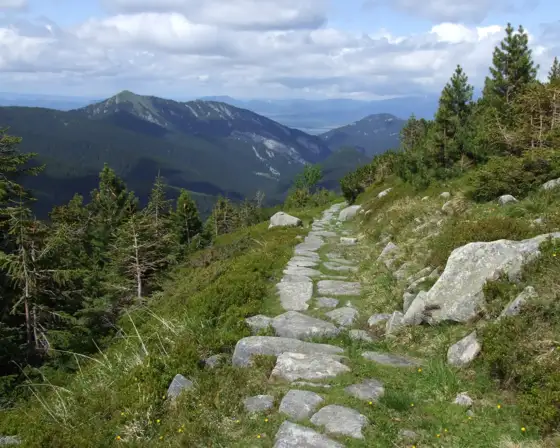
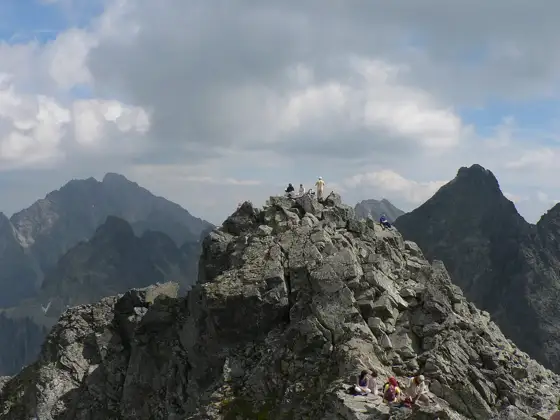
Mountain weather can change within an hour. Even in July, the High Tatras can be cold, wet and windy above the tree line, and snow patches may remain on high routes into early summer. Wear proper hiking shoes or boots, bring a waterproof jacket, a warm layer, a hat and sun protection, and avoid cotton as your only layer.
Easy valley walks need less gear than summit routes. Choose by difficulty with hiking in Slovakia for beginners or the best hikes in the High Tatras, and use the packing list generator to tailor your kit.
Winter and spa days
From December to February, a warm coat, hat, gloves and boots with a good tread are essential. Pavements can be icy, and the Tatras are well below freezing at night. See Slovakia in winter for what to expect.
Thermal pools are a popular winter activity. Bring flip-flops, a swimsuit and a towel or plan to rent one on site. Rules differ between pools, and some require swimming trunks rather than board shorts, so check the pool's own rules before you go.
Common mistakes
- New shoes on day one: blisters on cobblestones and trails ruin a trip.
- Skipping the rain layer: showers occur in every season.
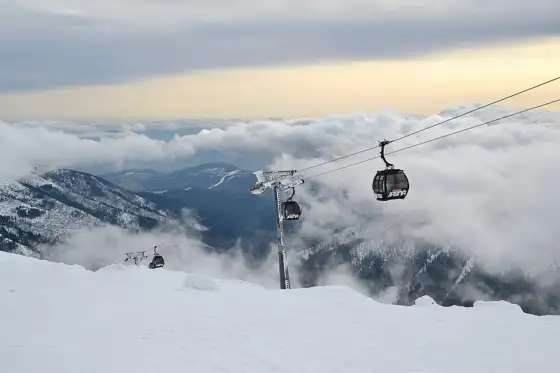
- Dressing for the city in the mountains: a cable car can move you from warm valley to cold summit in minutes.
- Bare shoulders in churches: keep a scarf handy.
Packing capsule for a week
A small wardrobe covers most trips if you choose pieces that mix and layer. For a week in spring or autumn, pack two pairs of trousers, one pair of jeans or chinos, four tops, one sweater or fleece, a waterproof jacket, a scarf, comfortable walking shoes and a pair of lighter shoes for evenings. In summer, swap the sweater for a thin layer and add swimwear, a hat and sunscreen. In winter, add thermal underwear, a second pair of warm socks per day and waterproof boots.
Laundry is easy in cities, since many apartments have washing machines, which means you can pack less. Check where to stay in Bratislava if you want a place with laundry facilities.
Evenings, concerts and nightlife
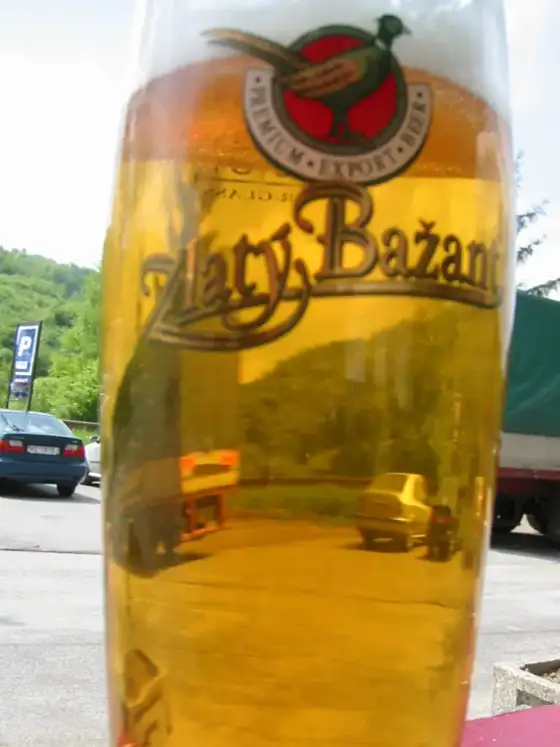
Bratislava bars and clubs are relaxed, and most people dress smart-casual. A clean shirt or blouse with jeans works for restaurants, wine bars and pubs. For the Slovak National Theatre, opera or classical concerts, many visitors wear a jacket or a dress, though nobody enforces a code. Beer halls and student pubs are very casual. For details on evenings out, see Bratislava nightlife and Bratislava at night.
Seasonal accessories worth bringing
- Spring: a compact umbrella and a light scarf.
- Summer: sunglasses, a refillable water bottle and insect repellent for forests and lakes.
- Autumn: a warm hat and waterproof shoes for muddy trails.
- Winter: gloves, a hat that covers the ears, lip balm and microspikes for icy hikes if you plan mountain walks.
Use the packing list generator to build a list by month and activity.
Shoes in detail
Footwear decides how the day goes. In cities, wear cushioned trainers or flat leather shoes that you have already walked in. Cobblestones are uneven and wet stones are slippery, so smooth soles are a poor choice in rain. For castle hills and forest paths, light hiking shoes with a good tread are better than fashion sneakers. For high mountain routes, ankle-supporting boots are sensible, and in winter you need insulated boots with deep tread. Bring spare socks, since wet feet can end a day early.
If you plan only one or two hikes, rent or borrow gear rather than buying it. Outdoor shops in larger towns sell boots and rain gear, but sizes and brands vary.
Rain, wind and sun
Rain falls in all seasons, with summer thunderstorms in the mountains and long grey spells in autumn. A light waterproof jacket with a hood is more useful than an umbrella on windy ridges. In summer, the sun is strong at altitude, so sunglasses, a hat and sunscreen matter even on cloudy days. Evenings by the Danube can feel cool even after a hot day, so keep a thin layer in your bag.
Frequently asked questions
Is there a dress code in Slovakia?
No general dress code exists. Casual clothes are accepted almost everywhere, while active churches expect covered shoulders and knees and formal venues such as the opera call for smart-casual.
What should I wear in Bratislava in summer?
Light breathable clothes, sunglasses, a hat and comfortable walking shoes. Carry a thin layer for air-conditioned interiors and evening breezes by the Danube.
Do I need hiking boots in Slovakia?
For summit routes in the High Tatras, yes, or at least sturdy shoes with good grip. For flat valley walks and city sightseeing, comfortable trainers are enough.
Can I wear shorts in Slovakian churches?
Shorts that cover the knees are fine. In active churches, keep shoulders and knees covered out of respect, and carry a scarf if you wear a sleeveless top.
What should I wear in Slovakia in winter?
A warm coat, hat, gloves, thermal layers and insulated boots with grip. Mountain areas are much colder than cities, so add ski-grade layers if you plan to stay outside long.
Do Slovaks dress up for restaurants?
Mostly smart-casual in the evening, with plenty of jeans. Only a few upscale restaurants and cultural events expect more formal clothes.
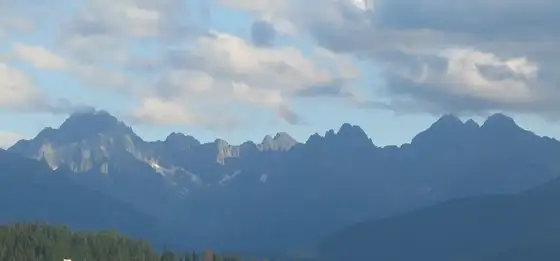
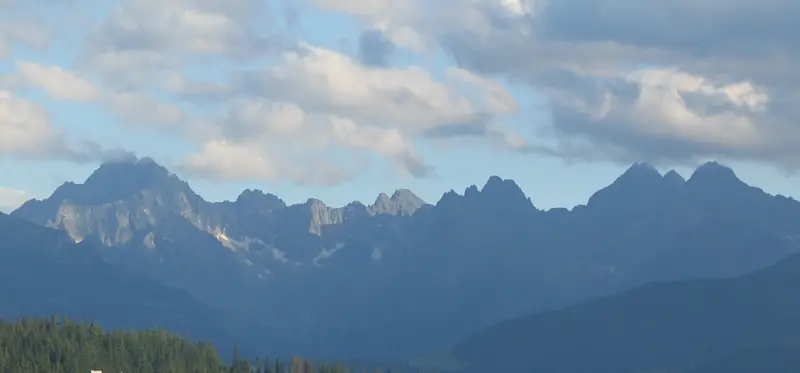
Photo: High Tatras · Unknown · CC BY-SA 3.0