We may earn a commission when you book through links on this page, at no extra cost to you. Read our affiliate disclosure.
- Area
- About 35 km2
- Built
- 1941 to 1953
- Average depth
- About 15 m
- Highlight
- Slanický ostrov art island
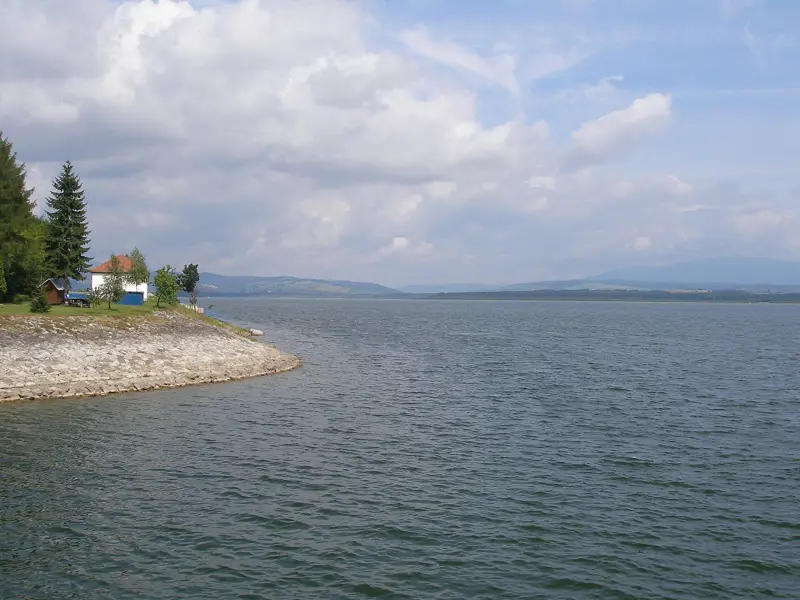
The Orava Reservoir (Oravská priehrada) is the largest lake in Slovakia, covering about 35.2 km2 in the northern Orava region, and a rental car is the most practical way to reach its shores, with GetRentacar as Taply's top pick for comparing offers. The dam was built between 1941 and 1953 on the Orava river, flooding several villages, and its best-known sight is Slanický ostrov, an island with a museum and gallery.
The island formed from the remains of the flooded village of Slanica. It keeps the original church, and it is said to be the only island in Slovakia with a museum or art gallery. Nearby, the Vtáčí ostrov (Bird Island) reserve shelters herons, cormorants and spoonbills.
This guide explains what to see, how to get there, when to go, and how to pair the reservoir with Orava Castle and the Malá Fatra mountains. Hours, boat schedules and entry fees change with the season, so verify them before you travel.
Top picks at a glance
Key takeaways
- The Orava Reservoir covers about 35.2 km2 and is the largest lake in Slovakia.
- Slanický ostrov is the main attraction, with an art gallery and the original church.
- The Bird Island reserve protects herons, cormorants and spoonbills.
- A car is the easiest way to arrive, since public transport is limited.
- Combine it with Orava Castle, which lies in the same region.
Best ways to visit the Orava Reservoir, ranked
Ranked by how well each option fits this trip: convenience, cost and who it suits. Some options are affiliate partners. How we rank
-
Our top pick1
Rental car with GetRentacar
Best overallBest for: Independent travellers
The reservoir is in a rural region with limited public transport, and the most interesting spots are spread around the shore. A rental car lets you pair the island with Orava Castle and Malá Fatra. GetRentacar lists car hire offers, so check the deposit, insurance and fuel policy.
Rent on GetRentacar Read our GetRentacar review- Reach shore, island and castle
- Flexible schedule
- Good for a road trip
- Rental cost and deposit
- Parking at peak times
-
2
Rental car with QEEQ
Compare offersBest for: Price comparison
QEEQ is another comparison site, handy for pickups in Žilina, Poprad or Bratislava.
Compare cars on QEEQ Read our QEEQ review- Compare suppliers
- Wide pickup choice
- Terms vary
-
3
Private transfer with Kiwitaxi
Best without a carBest for: Groups without a car
Book a private transfer from Žilina, Poprad or Kraków side to a lakeside base. Kiwitaxi offers private city and airport transfers, so enter your route and compare the quote.
Book a transfer on Kiwitaxi Read our Kiwitaxi review- Door to door
- No navigation needed
- Higher cost
- Plan the return
-
4
Train to Kraľovany or Dolný Kubín, then bus
CheapestBest for: Patient budget travellers
Rail lines serve Orava towns, and buses connect to lakeside villages. Services are limited on weekends and off-season, so check the timetable first.
Official website- Low cost
- No driving
- Limited frequency
- Slow
-
5
Travel insurance with EKTA
Worth checkingBest for: Active trips
If your trip includes hiking in Malá Fatra, compare a travel insurance quote with EKTA and check the sports cover.
Get a quote from EKTA Read our EKTA review- Online quote
- Read exclusions
What the Orava Reservoir is
Oravská priehrada lies in the north of Slovakia, close to the Polish border. Work on the dam took place between 1941 and 1953 on two former sources of the Orava river, and the water covers an area of about 35.2 km2 with an average depth near 15 m. Several villages, including Hámre, Osada and Ústie, were flooded. The lake became a recreation area, though its cooler northern climate and mountain setting give it a more modest beach season than the lakes in the south.
For visitors, the draw is scenery. The reservoir sits among low hills with the Western Tatras and Malá Fatra in view on a clear day, and the water changes colour with the weather.
Slanický ostrov, the island of art
Slanický ostrov is the largest island in the reservoir. It formed from the remains of the flooded village of Slanica, and it still has the original church. A museum and art gallery on the island give it a rare identity: it is said to be the only Slovak island with a gallery. Slanica was also the birthplace of Anton Bernolák, an early codifier of the Slovak language, which adds a cultural thread to the visit.
Access, exhibitions and opening periods vary by season, so check local notices or the museum's website. Bring layers, since wind on the open water cools the air quickly, even in summer.
Bird Island and wildlife
The Vtáčí ostrov reserve is an ornithological site, home to herons, cormorants and spoonbills. Boat tours with an observation deck pass the reserve at a distance, and you should not land on it. Bring binoculars and a zoom lens if you like bird photography, and visit in the quieter months of spring and autumn for more activity. Behave quietly and follow all signs, since the area is protected.
Getting there
The reservoir lies in the Orava region, which is reached from Žilina by road in a little over an hour, and from Poprad in roughly the same range depending on the route. From Bratislava it is a long day, so combine it with an overnight stop, for example in Žilina. A car gives the best access, and the vignette guide explains motorway rules.
| From | Best way | Rough time |
|---|---|---|
| Žilina | Car or transfer | About 1 hour or more |
| Poprad | Car or transfer | About 1.5 hours |
| Bratislava | Car plus overnight | Several hours |
| Kraków side | Car or transfer | Roughly 2 hours |
Pair it with Orava Castle and Malá Fatra
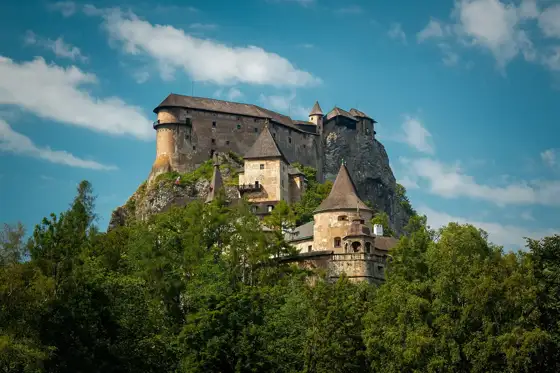
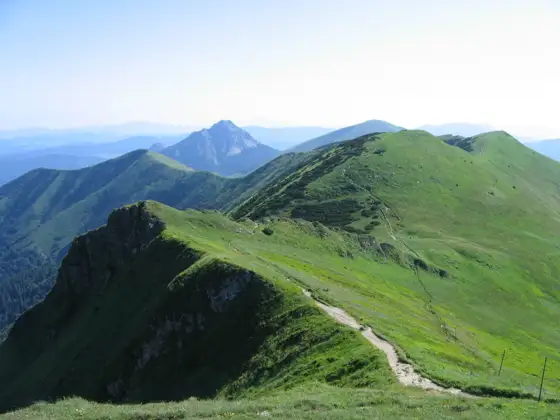
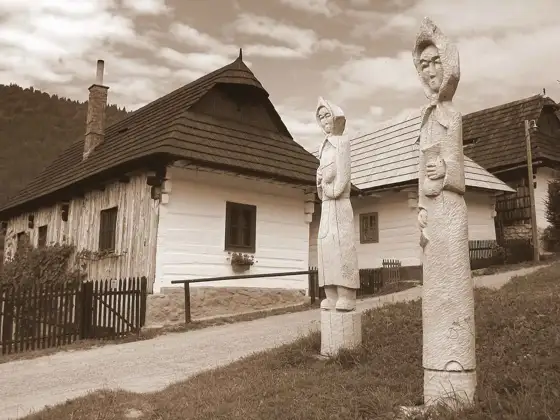
The standard Orava trip joins the lake with Orava Castle, which stands on a rock above the Orava river a drive away in the same region. The two sights fill a day together. For mountain scenery, add Malá Fatra, and for a folk-culture stop see Vlkolínec or Slovak folk culture. The Slovakia road trip page shows how to link regions.
When to go and what to bring
Late spring to early autumn is the best period, with summer weekends the busiest. Spring and autumn are quieter and better for bird watching. Bring a rain jacket, a warm layer and comfortable shoes. Weather in the mountains shifts fast, so check forecasts on the morning of your trip. If it rains, plan indoor stops in Dolný Kubín or Námestovo, towns in the region with cafes and small museums.
Who should skip it
If you only have a short Slovakia trip and want major sights, the reservoir is a secondary stop after Bratislava, the High Tatras and Košice. It suits travellers with a car and a day to spare, or families who like quiet shores. If you need beach services and warm water, the lakes near Bratislava, see Senec lakes, are a better match.
A one-day plan
Drive to the lake in the morning and begin with a boat trip if the season allows, since the water is calmest early. Visit the island museum and gallery next, then have lunch in a lakeside village. After lunch, walk along the shore or visit a viewpoint, and finish with the castle if it is open late, or return to your base. In wet weather, switch the order: castle first, then a short lake stop when rain eases. Leave time for the drive back, because rural roads are slower than motorways.
Costs and booking
The reservoir itself is free to see from the shore. Boat trips, museum entry and parking are separate costs that vary by season and operator, so check local pages before you go. A rental car is usually the biggest item, and comparing offers early in the season keeps costs down. Fuel, the motorway vignette and food are the other items to budget, see Slovakia travel cost for typical ranges.
Photography and viewpoints
The reservoir looks best in soft morning or evening light, when mist often lies on the water and the hills show clear layers. Look for pull-offs along the shore roads and for headlands that give a wide view across the lake toward the mountains. Bring a zoom lens for birds and a wide lens for the landscape. Drones are regulated in protected areas, so check the rules before flying one near the Bird Island reserve.
In autumn, forest colour around the lake adds contrast to the grey water, and the quieter season makes parking and shore walks easy. See Slovakia in autumn for what else the season offers.
Frequently asked questions
How big is the Orava Reservoir?
It covers about 35.2 km2, with an average depth of around 15 m, and is the largest lake in Slovakia.
What is Slanický ostrov?
It is the largest island in the reservoir, formed from the remains of the flooded village of Slanica, with an art gallery, a museum and the original church.
Can you swim in the Orava Reservoir?
Swimming is possible in summer at some places, but water is cooler than in southern lakes, so check local notices.
How do I get to the Orava Reservoir?
By car from Žilina or Poprad. Public transport is limited, so many visitors rent a car or book a transfer.
Can I land on Bird Island?
No. It is a protected reserve for herons, cormorants and spoonbills, and boat tours pass it at a distance.
Can I combine it with Orava Castle?
Yes. The two sights fit one day in the Orava region by car.
Photo: Orava (reservoir) · Ing.Mgr.Jozef Kotulič · CC BY-SA 3.0