We may earn a commission when you book through links on this page, at no extra cost to you. Read our affiliate disclosure.
- Bratislava to Košice
- about 4 to 5 hours by train
- Best for cities
- train
- Best for villages
- car or bus
- Motorways
- vignette required
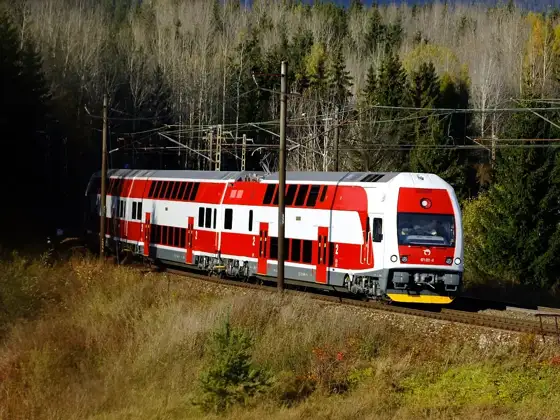
The easiest way to get around Slovakia is by train between the main cities, with buses where there is no rail, a rental car for castles, caves and villages, and a private transfer for airports, early starts and heavy luggage. Bratislava to Košice takes roughly 4 to 5 hours by train.
This guide compares trains, buses, cars and transfers, and shows which fits each region. For ticket details see how to buy train tickets and trains in Slovakia.
Top picks at a glance
Key takeaways
- Trains link Bratislava, Žilina, Poprad and Košice.
- Buses fill gaps where there are no trains.
- A car helps for rural castles, caves and lakes.
- Transfers suit airports and groups.
- Motorways require an electronic vignette.
Best ways to get around Slovakia, ranked
Ranked by how well each option fits this trip: convenience, cost and who it suits. Some options are affiliate partners. How we rank
-
Our top pick1
Private transfer with Kiwitaxi
Best for airports and luggageBest for: Airport arrivals and groups
Kiwitaxi offers private transfers between airports, cities and resorts, so you can skip connections with bags. Compare the price with train and bus options for your route and check current prices when booking.
Book a transfer on Kiwitaxi Read our Kiwitaxi review- Door to door
- Fixed price
- Costs more than public transport
-
2
Compare offers on GetTransfer
Best for comparing driver offersBest for: Long-distance flexible budgets
GetTransfer lets drivers bid on your route, which can lower the price on long transfers. Check reviews of the offer before booking.
Get offers on GetTransfer Read our GetTransfer review- Competing offers
- Quality varies
-
3
Car hire with Qeeq
Best for rural sightsBest for: Road trips
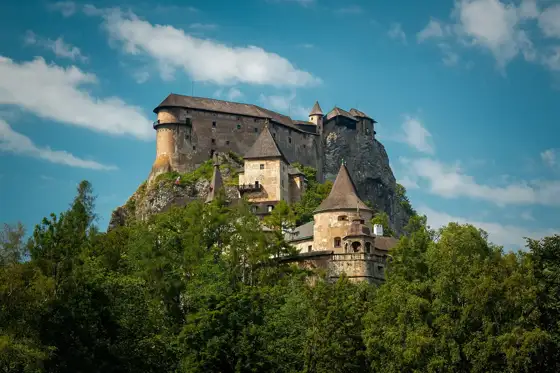
A car gives access to castles, caves and villages with poor public transport. Qeeq compares rental offers; check insurance, deposit and one-way fees.
Compare cars on QEEQ Read our QEEQ review- Freedom
- Reaches remote spots
- Parking in cities, vignette needed
-
4
Car hire with EconomyBookings
Best for comparing pricesBest for: Budget drivers
EconomyBookings compares car rental offers from many suppliers. Read the pickup and fuel terms.
Compare cars on Economybookings Read our Economybookings review- Wide choice
- Check fine print
-
5
Trains with ZSSK and RegioJet
Cheapest for main routesBest for: City to city
Trains are the backbone of travel between big towns. Buy tickets on the operator's website or at stations.
Official website- Low cost
- Scenic
- Few services in rural areas
Overview by mode
| Mode | Best for | Watch out for |
|---|---|---|
| Train | Bratislava, Žilina, Poprad, Košice | Slower on branch lines; check timetables |
| Bus | Towns without train links, regional routes | Weekend services are thinner |
| Rental car | Castles, caves, villages, lakes | Vignette, parking, zero alcohol limit |
| Private transfer | Airports, groups, early flights | Costs more than public transport |
| Bike | Danube and local paths | Check train bike rules |
Trains
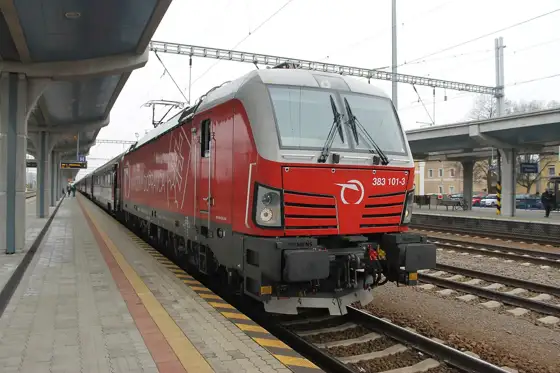
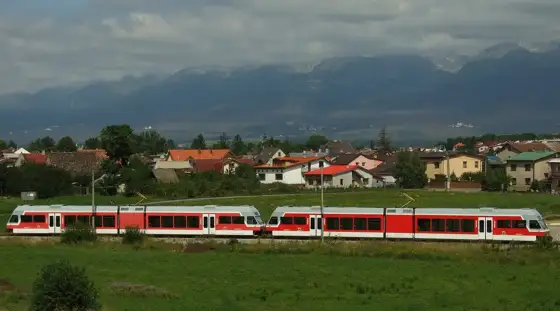
Slovakia's railways link most larger towns, and long-distance trains are good value. The main line runs from Bratislava through Trenčín and Žilina to Poprad and Košice. Branch lines reach resorts, and the Tatra electric railway links mountain villages. Tickets can be bought online or at stations, and seat reservations are advisable on busy days. See Bratislava to Košice and Bratislava to the High Tatras for specific routes.
Buses
Buses cover towns without trains and fill gaps between rail lines, including many routes to castles and villages. In cities, local buses, trams and trolleybuses operate on tickets that must be validated. See Bratislava public transport. Intercity buses can be quicker than trains on certain routes, so compare both before booking.
Driving
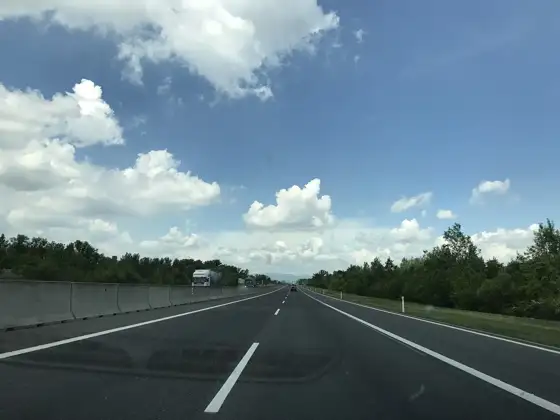
Roads are generally good and distances short. Motorways and expressways require an electronic vignette, bought before use; see the Slovakia vignette and use the vignette helper. Drive on the right, use dipped headlights, and remember Slovakia has a zero alcohol limit for drivers (see alcohol and smoking rules). Read driving in Slovakia and car rental in Slovakia before collecting a car, and compare options in the car or public transport tool.
Transfers and airports
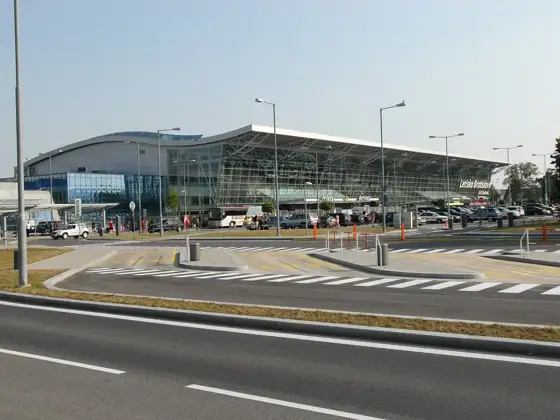
Bratislava's airport is small, and Vienna's airport is the main alternative for many routes. Private transfers shorten the trip and help with luggage. See Bratislava airport transfer and Vienna to Bratislava.
Regional overview
- West: Bratislava, Trnava and wine villages, best by train or bus.
- Centre: Žilina, Banská Bystrica, Bojnice and Banská Štiavnica; mix trains and buses.
- North and High Tatras: train to Poprad plus Tatra railway; see High Tatras without a car.
- East: Košice, Prešov, Levoča; trains plus a car for castles.
Costs and booking tips
Trains and buses are usually cheaper than in Western Europe, though prices vary by operator and how early you book. Compare train and bus fares on the operators' sites, and book popular routes such as Bratislava to Košice or to the High Tatras ahead on busy weekends. Car rental prices rise in summer, and fuel, vignette and parking add to the cost; see Slovakia travel cost for budget estimates. Private transfers have fixed prices that can be efficient for groups, because the cost is split across passengers.
Combining modes
Many trips work best with a mix. Take the train between Bratislava and Poprad, then use the Tatra electric railway and local buses in the mountains. Rent a car for a few days in the east for castles and villages, then return it before a train home. Pre-book a transfer for the first and last day if you arrive with heavy bags. The road trip optimizer and Slovakia road trip guide help plan routes.
Common mistakes
- Skipping the vignette on a rental car.
- Not validating tickets on city buses and trams.
- Assuming every village has a bus on Sunday.
- Booking a car for city-only trips, where parking is expensive.
- Ignoring Vienna as an arrival airport for routes to Bratislava, see Bratislava airport vs Vienna airport.
Accessibility and luggage
Larger stations have lifts or ramps, while smaller stations may have steps and high platforms, so check before travelling with a wheelchair or heavy bags. Newer trains have low floors and space for luggage and bikes, while older carriages can be difficult. If you are moving between airports and hotels with large bags, a private transfer saves stairs and connections. Luggage storage options in cities help for day trips, as described in luggage storage in Bratislava.
Cycling and walking
Many Slovak towns are compact enough to explore on foot. Cycling is growing, with the Danube path linking Bratislava to Austria and Hungary, and bike rental available in larger towns. Check train rules if you plan to take a bike on board, since reservations or fees can apply. Read bike rental in Slovakia for options.
Using timetables and apps
Timetables for trains and buses are available online and in apps, and they also cover local transport in major cities. Check connections the evening before and again on the morning of travel, because delays and replacement buses can occur. Keep your ticket on your phone or printed, and have a backup plan for the last connection of the day. In small towns, the last bus can leave early in the evening, so a taxi may be your only option if you miss it.
Border crossings
Slovakia is in the Schengen Area, so trips to Austria, Hungary, Czechia and Poland rarely involve checks, though you should carry your passport or ID card. Trains and buses link Bratislava with Vienna, Budapest and Prague, and the trip to Vienna takes about an hour. Check entry requirements if you are not an EU citizen.
When to choose which option
Choose the train when you travel between big cities and want to relax or work on the way. Choose the bus when the train is slow or does not stop where you need to go. Choose a car when you want to visit several rural sights in one day, travel in a group of four or more, or carry a lot of equipment. Choose a private transfer when you arrive late, leave early or travel with young children and heavy bags. Compare the total cost, including parking, fuel and time, before you decide.
Frequently asked questions
What is the best way to get around Slovakia?
Trains work best between main cities, while buses and a rental car help reach villages, castles and caves. Private transfers suit airports and groups.
Is public transport good in Slovakia?
Yes, in and between towns, but rural services can be limited and weekends have fewer connections. Check timetables before you rely on a route.
Do I need a car in Slovakia?
Not for the main cities and the High Tatras, but a car helps for remote castles, caves and lakes.
How long does it take to travel across Slovakia?
Bratislava to Košice takes roughly 4 to 5 hours by train, depending on the service.
Do I need a vignette to drive in Slovakia?
Yes, motorways and expressways require an electronic vignette, which should be bought before using them.
Are private transfers worth it in Slovakia?
They are worth it for airport arrivals, early flights, groups and heavy luggage, but cost more than trains and buses.
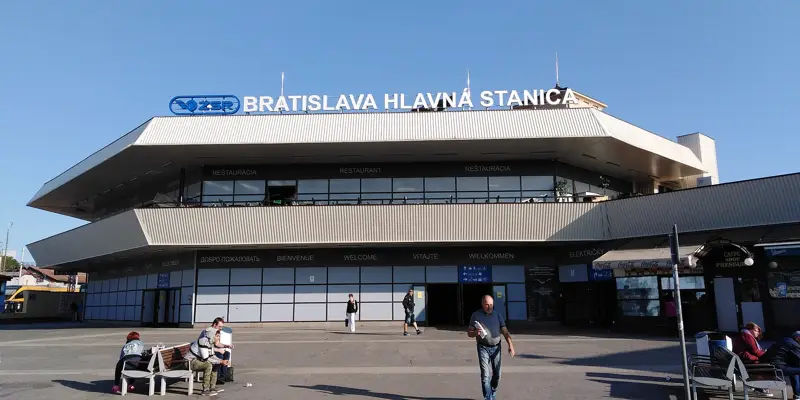
Photo: Bratislava hlavná stanica · Luky001 · CC BY-SA 4.0